
Why Phyllis Lyon & Del Martin Still Matter Today
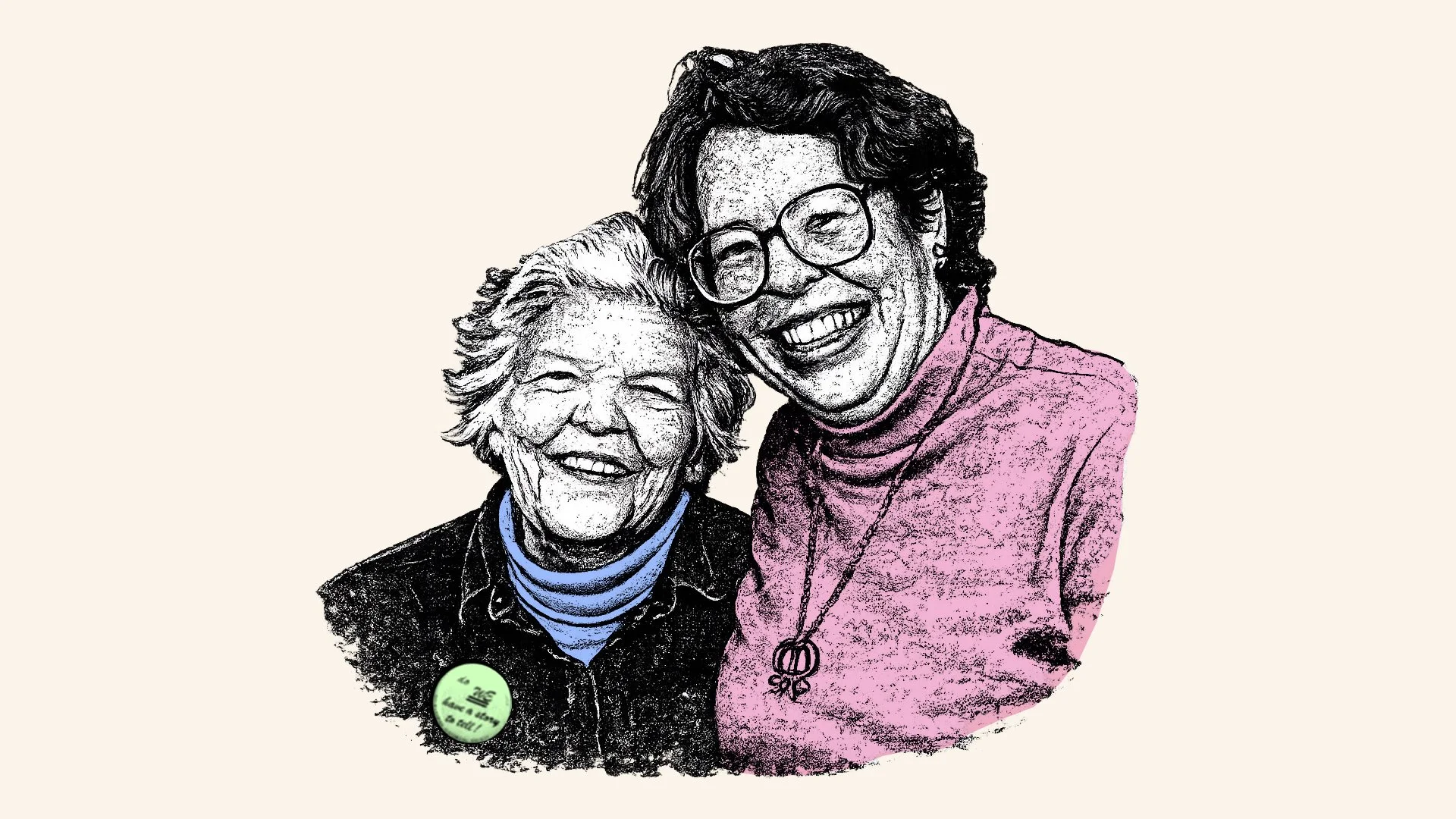
Some people shape history through a single act. Others shape it through a lifetime of steady, courageous work.
Phyllis Lyon and Del Martin did both.
They were organizers, writers, partners, and pioneers whose work helped transform what was possible for lesbians in the United States. Long before LGBTQ rights entered mainstream political conversation, Lyon and Martin were building something that many people in their time believed could not exist: visible lesbian community, public advocacy, and institutions rooted in care.
Today, their names live on through Lyon-Martin Community Health Services. But their legacy is much larger than a name.
It lives in every act of queer community-building. In every effort to create affirming care. In every attempt to make sure people are not left isolated, invisible, or without support.
Phyllis Lyon and Del Martin still matter because the world they were fighting to change has not disappeared completely. And the values they lived by still guide the work of liberation now.
Who Were Phyllis Lyon and Del Martin?
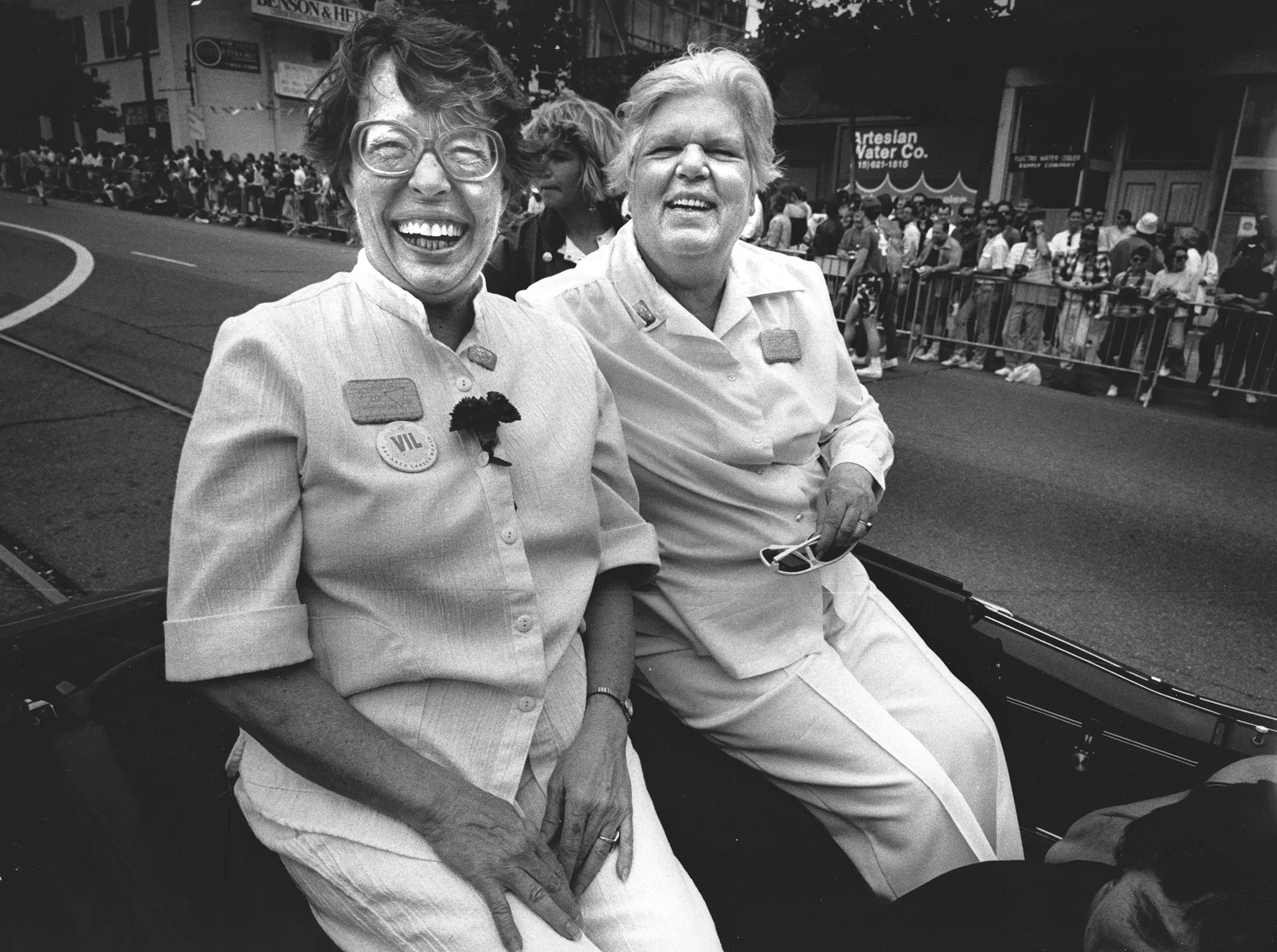
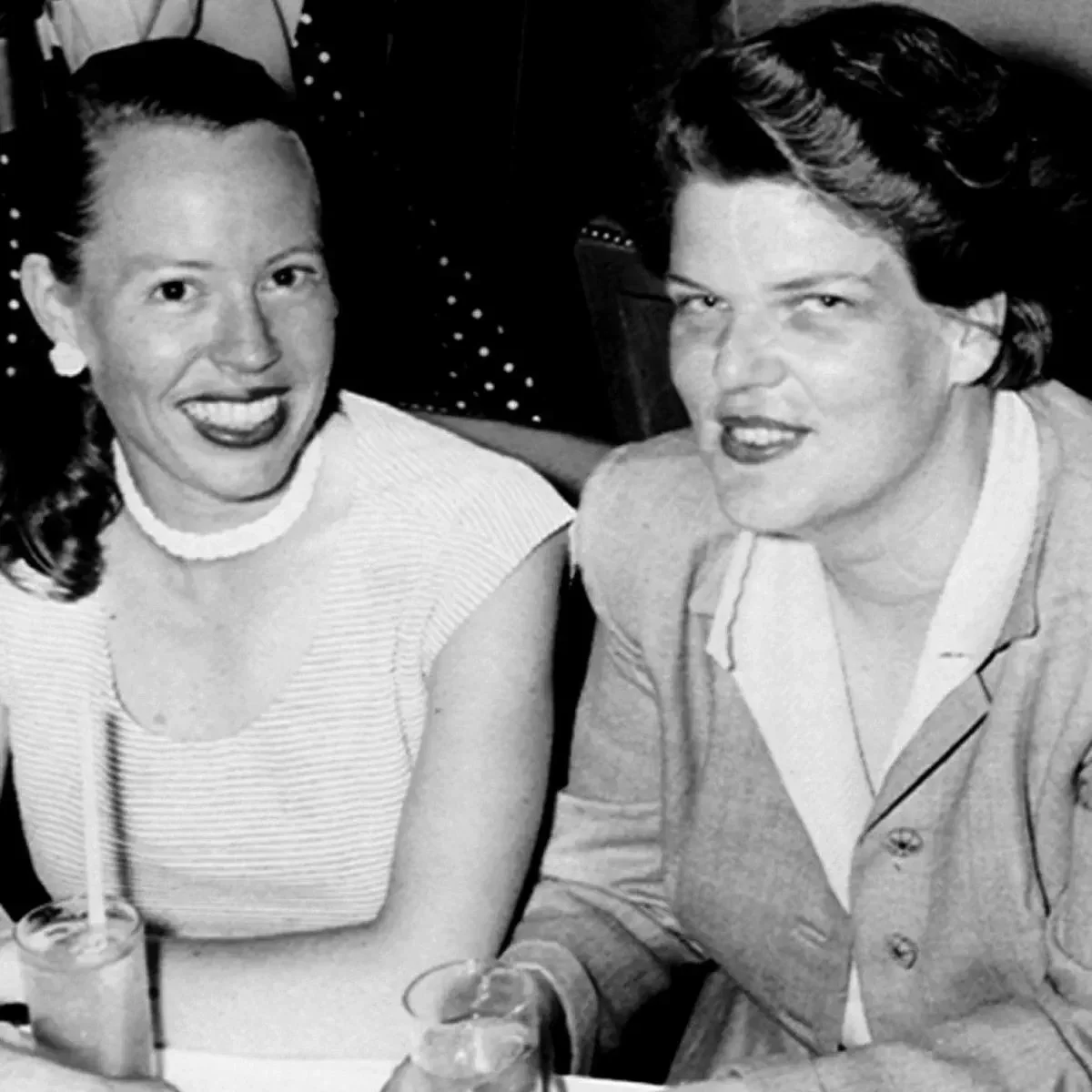
Phyllis Lyon and Del Martin were lifelong partners, journalists, organizers, and two of the most influential lesbian activists in United States history.
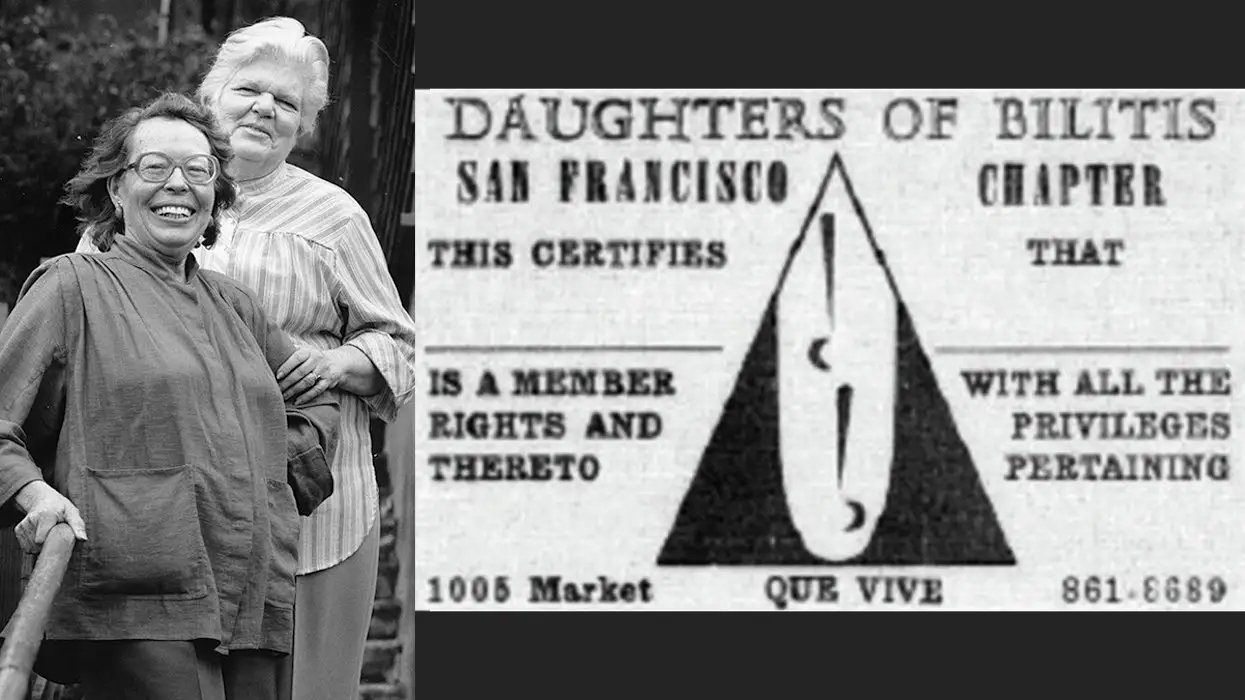
In 1955, they co-founded the Daughters of Bilitis, widely recognized as the first lesbian organization in the country. At a time when lesbians had few safe ways to meet each other outside bars that were often surveilled, raided, or stigmatized, the organization offered an alternative rooted in community, discussion, and self-determination.
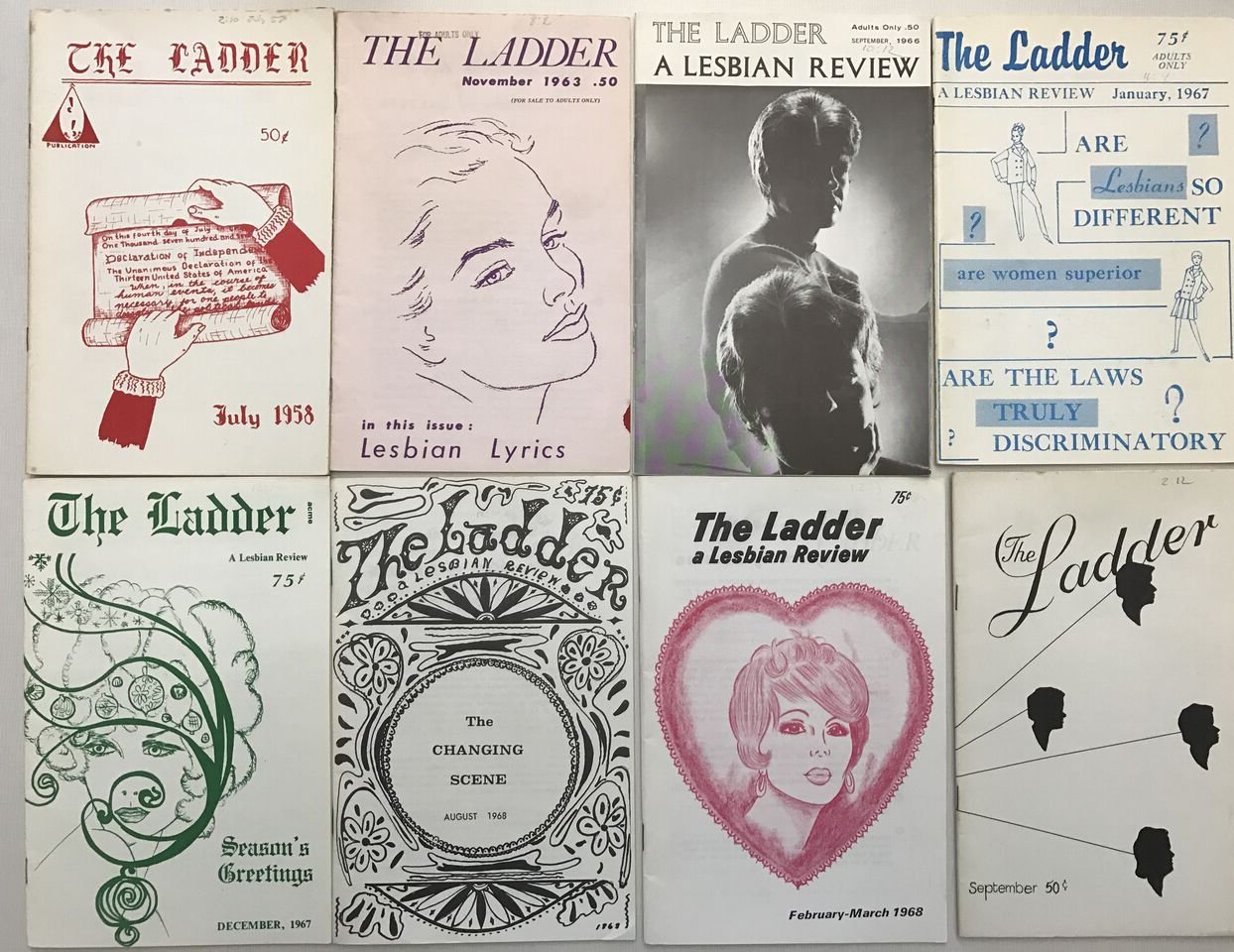
A year later, Phyllis Lyon became the founding editor of The Ladder, the first nationally distributed lesbian publication in the United States. Del Martin also played a central role in shaping its voice and direction.
Together, they helped create one of the earliest public forums where lesbians could share ideas, ask questions, and recognize themselves in each other.
That mattered deeply.
For many women, publications like The Ladder were not simply magazines. They were lifelines.
They Helped Build Lesbian Community in Public
It is difficult to overstate how radical Lyon and Martin’s work was in the 1950s and 1960s.
This was a time when homosexuality was widely pathologized, criminalized, and treated as a moral failing. Many people risked losing jobs, housing, family relationships, or physical safety if they were identified as gay or lesbian.
In that context, Lyon and Martin helped build something enduring: community in public.
Through the Daughters of Bilitis and The Ladder, they helped lesbians connect across cities and states. They made room for essays, letters, political analysis, literature, and conversation. They insisted that lesbians were not alone, not broken, and not without history.
That insistence changed lives.
Their work offered language where there had been silence. Reflection where there had been erasure. Connection where there had been isolation.
They Understood That Information Is a Form of Survival
One of the reasons Phyllis Lyon and Del Martin remain so relevant today is that they understood something that still holds true:
Access to accurate information can be life-changing.
In an era before the internet, before affirming providers were easy to find, and before LGBTQ people had any reliable mainstream representation, community-produced information could be the difference between despair and possibility.
The Ladder published writing about lesbian life, politics, literature, identity, and social conditions. It gave readers a way to understand themselves outside of medical stigma and outside of the distorted portrayals offered by mainstream culture.
That legacy still matters because misinformation, isolation, and structural harm are not things of the past.
Queer, trans, and non-binary communities still face barriers to trustworthy health information, affirming services, and systems that treat them with dignity.
The need for community-rooted education did not end. It simply changed form.
They Helped Create the Conditions for LGBTQ Organizing
Phyllis Lyon and Del Martin were part of an early generation of organizers who laid critical groundwork for the LGBTQ movements that followed.
Their work preceded the language, visibility, and political frameworks many people now take for granted. They were organizing before most institutions acknowledged lesbian life at all.
They helped move lesbian existence from the margins of private survival into public conversation.
That shift mattered not only symbolically, but structurally.
Without early organizers like Lyon and Martin, there would have been no foundation for later lesbian feminist publications, no expanding network of queer community institutions, and far fewer examples of what collective organizing could look like.
They did not just respond to history. They helped make it.
Their Legacy Is Not Only Political. It Is Also Personal.
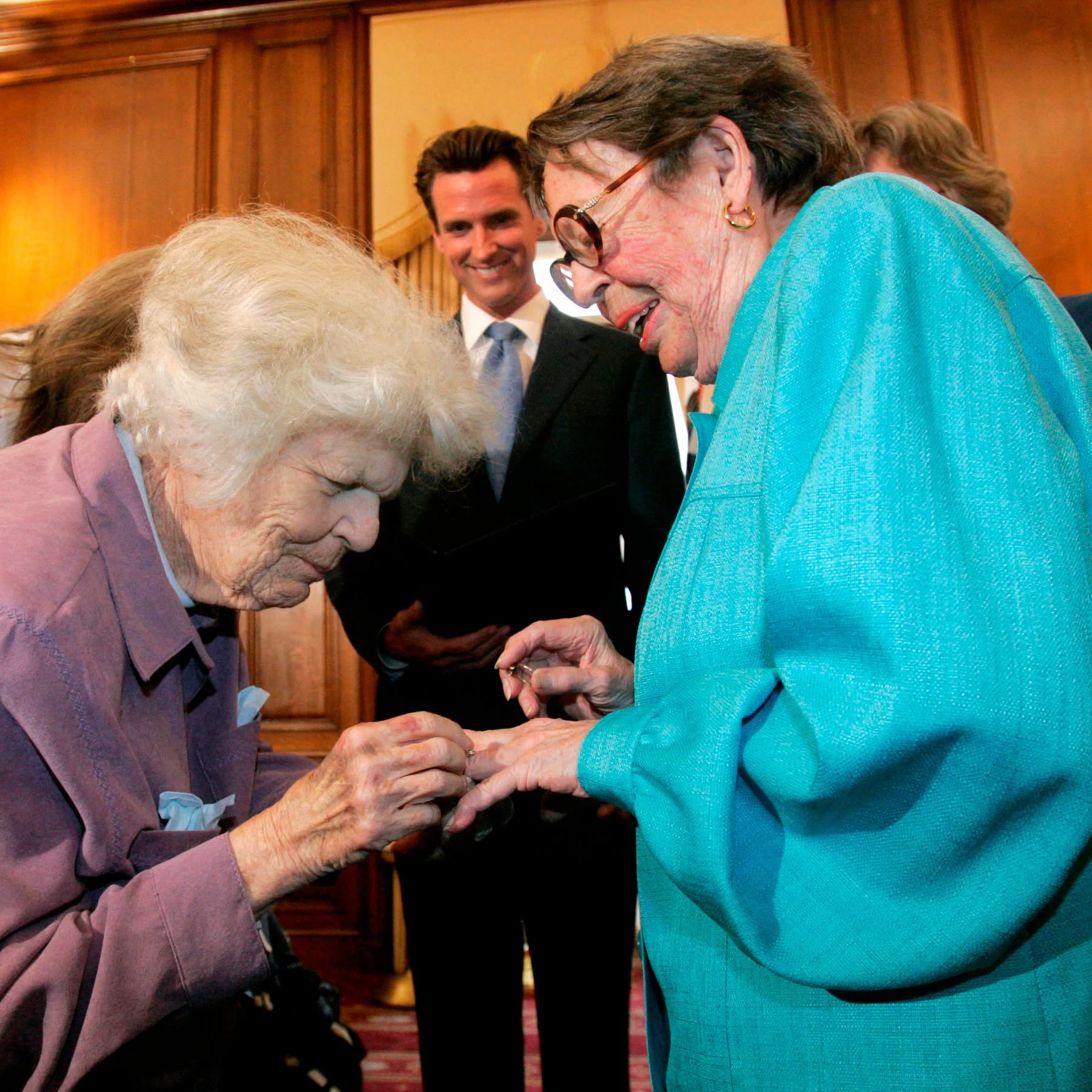
Part of what continues to make Phyllis Lyon and Del Martin so powerful is that they were not only movement figures. They were partners whose relationship embodied a long, visible commitment to each other and to community.
For generations of lesbians, queer people, and gender-expansive people, that visibility mattered.
To see two women build a life together over decades was itself a form of resistance to a culture that insisted those lives were impossible, shameful, or disposable.
Their story reminds us that partnership, chosen family, mutual care, and devotion are also part of movement history.
Liberation is not only built in protests, speeches, or policy wins. It is also built in the daily work of loving each other, staying committed, and imagining futures where queer life can be ordinary, expansive, and whole.
Why Their Names Matter at Lyon-Martin
Lyon-Martin Community Health Services was named in honor of Phyllis Lyon and Del Martin for a reason.
When the clinic was founded in 1979, its creators were responding to a healthcare system that often failed lesbians and queer women entirely. Patients were dismissed, judged, misunderstood, or excluded from care.
Naming the clinic after Lyon and Martin signaled more than admiration. It rooted the clinic in a lineage of lesbian organizing, self-determination, and community accountability.
It said: this care belongs to a larger history.
That history has only deepened over time.
Today, Lyon-Martin serves queer, trans, non-binary, intersex, and LGBTQIA+ communities with care that is trauma-informed, affirming, and grounded in bodily autonomy. The clinic’s mission has expanded, but its core values remain connected to the same principles Lyon and Martin helped embody:
Community care
Dignity
Education
Perseverance
Visibility
Justice
Their names remind us that institutions do not emerge from nowhere. They are built by people with vision.
They Modeled Perseverance
Del Martin once said:
“The best way to honor us is to carry on the work that has been done. Perseverance. In every loss are the seeds of success. Patience. Education never-ending. Continue to work with youth, but tell them about our history.”
That call still resonates.
Phyllis Lyon and Del Martin mattered not because they believed change would happen quickly, but because they remained committed to it over time.
They understood that liberation requires patience, memory, and long-term effort. They knew that visibility without infrastructure is fragile. They knew that progress must be documented, defended, and passed on.
That lesson remains urgent now.
In a moment when queer and trans communities continue to face targeted political attacks, medical disinformation, and systemic harm, their example offers something steady:
Keep going. Tell the truth. Build what is needed. Protect each other. Teach the next generation where they come from.
Why They Still Matter Today
Phyllis Lyon and Del Martin still matter because the issues they confronted still echo in the present.
People still need places where they can be seen without shame.
People still need healthcare that does not punish difference.
People still need institutions built by and for community.
People still need history that tells them they are not alone.
Their legacy is not confined to the past.
It lives in every queer archive, every community clinic, every affirming provider, every grassroots publication, every person who fights to make care more humane, and every young person who discovers that they are part of a much longer story.
Phyllis Lyon and Del Martin helped create that story.
And we are still living inside what they made possible.
Carrying the Legacy Forward
At Lyon-Martin, honoring Phyllis Lyon and Del Martin means more than remembering their names.
It means continuing the work.
It means building healthcare spaces where queer, trans, non-binary, and intersex people are treated with dignity. It means protecting access to affirming care. It means telling the truth about our histories. It means refusing erasure. It means understanding that community care is not separate from liberation. It is one of the ways liberation becomes real.
Their legacy is not static.
It is something we carry forward.
Want to Learn More?
Explore more stories about Lyon-Martin’s history, community care, and legacy on The Ladder, our blog.
👉 Visit lyon-martin.org/blog
👉 Sign up for our newsletter for monthly updates
Because history is not only what happened before us. It is also what we choose to continue.