
LYON-MARTIN’S Evolved Brand Identity
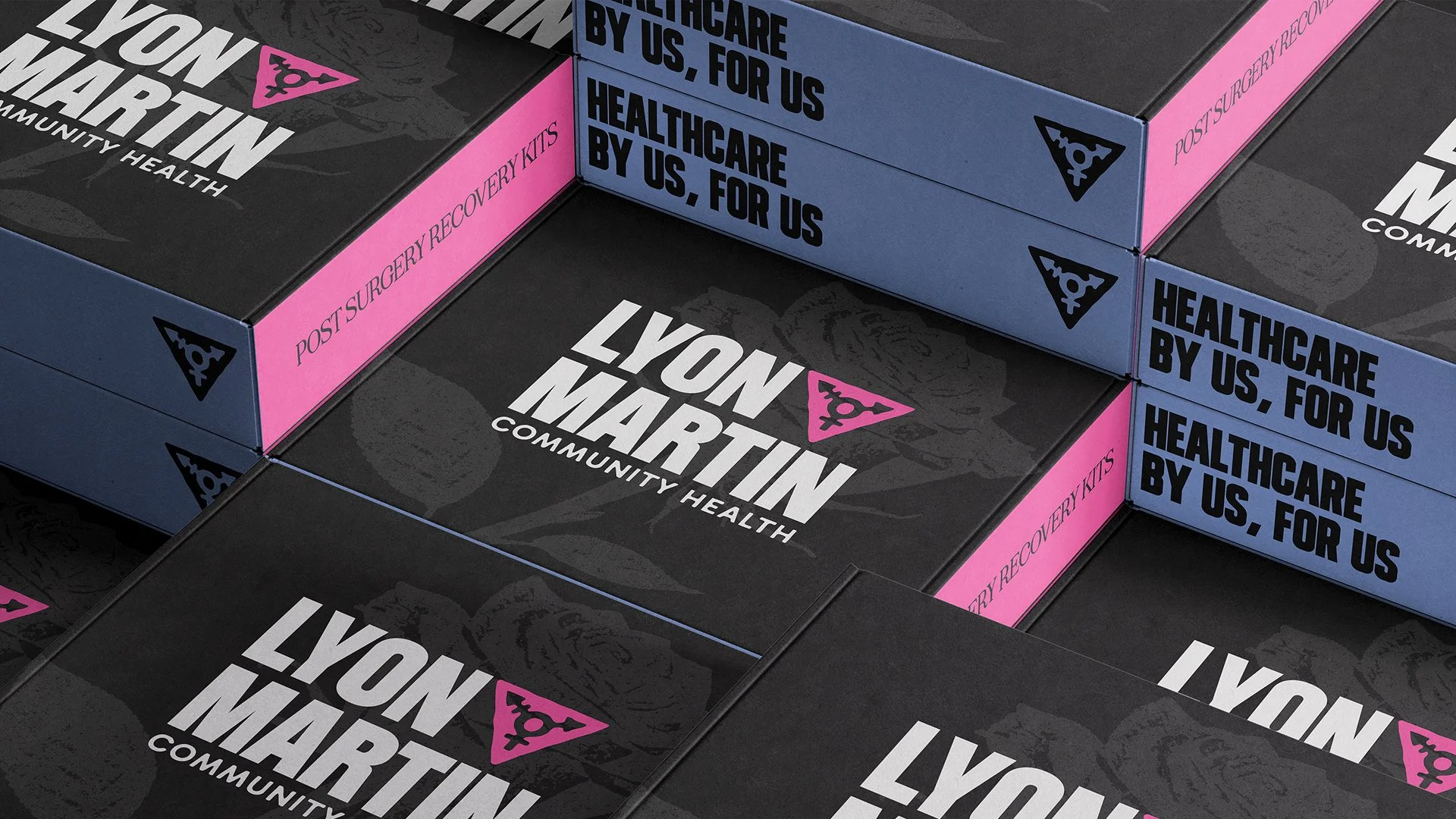
Lyon-Martin has never had the luxury of building slowly or comfortably.
This clinic was built in response to absence.
In response to harm.
In response to people being turned away, misdiagnosed, or left to navigate care alone.
Everything that exists today was built under pressure.
That includes how we have shown up visually over the years.
The previous brand carried us through a lot.
It was created in moments where the priority was survival, access, and staying connected to community by any means necessary.
It held what it needed to hold.
And it did that well.
Why We Evolved
The conditions we are working in now are different, and in many ways, more visible and more scrutinized.
Attacks on trans healthcare are coordinated and well-resourced.
Public policy is shifting quickly.
Misinformation spreads faster than care.
At the same time, more people are relying on Lyon-Martin than ever before.
We are not only providing care.
We are navigating systems, influencing policy, training providers, and supporting communities who are being pushed further to the margins.
We needed a brand that could carry that weight.
Something more cohesive.
More intentional.
More precise in how it communicates who we are and what we stand for.
What This Work Holds
This was not about starting over.
It was about bringing structure to something that has always been deeply felt and community-driven.
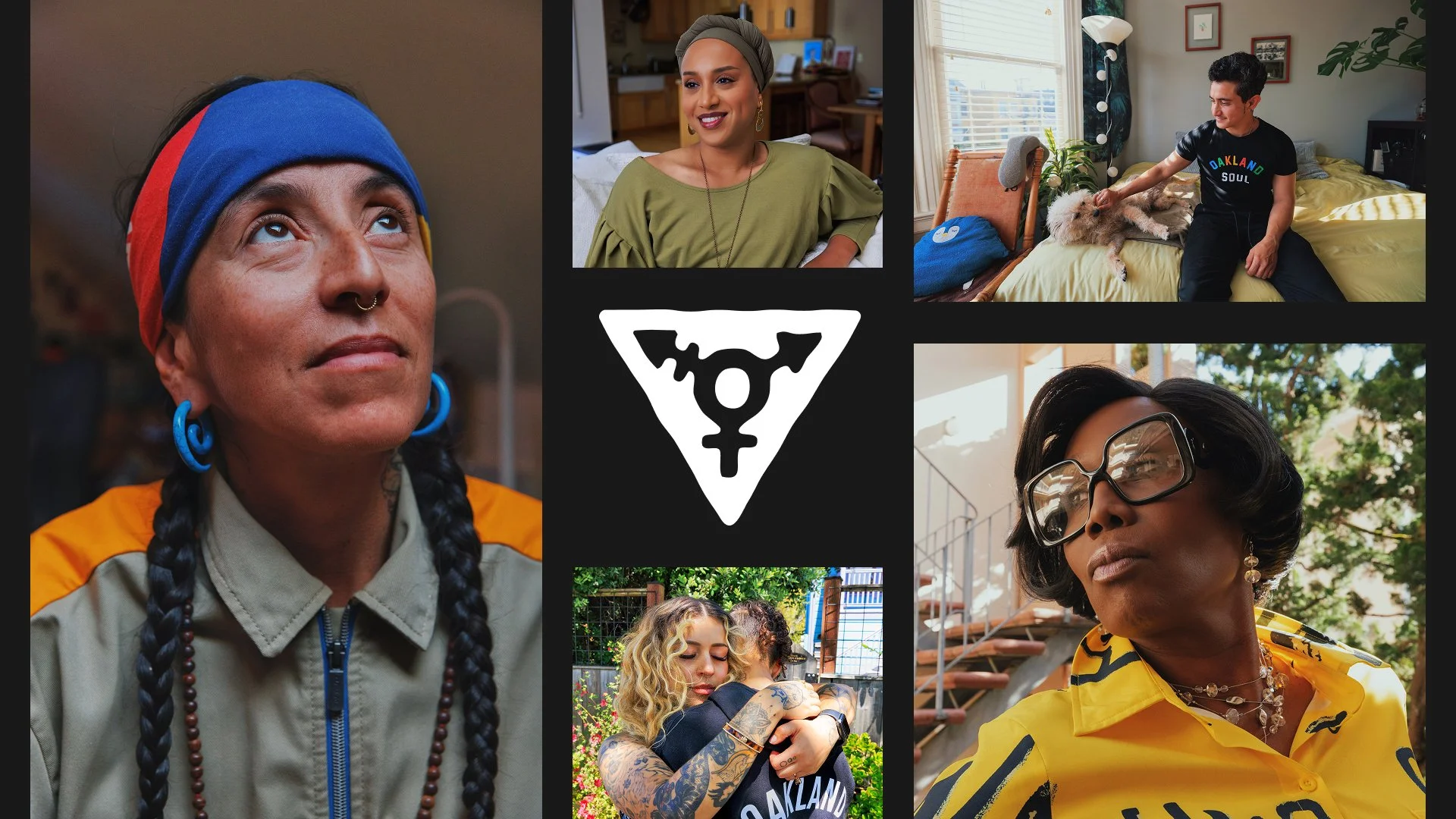
The new identity was built alongside community.
It pulls from history, from movement work, from the ways our communities have always shared information and found each other.
It holds contradiction.
There are hard edges here.
There is urgency.
There is clarity.
And there is also care.
Softness.
Trust built over time.
All of it exists together, because that is what this work actually looks like.
A Lineage We Are Responsible To
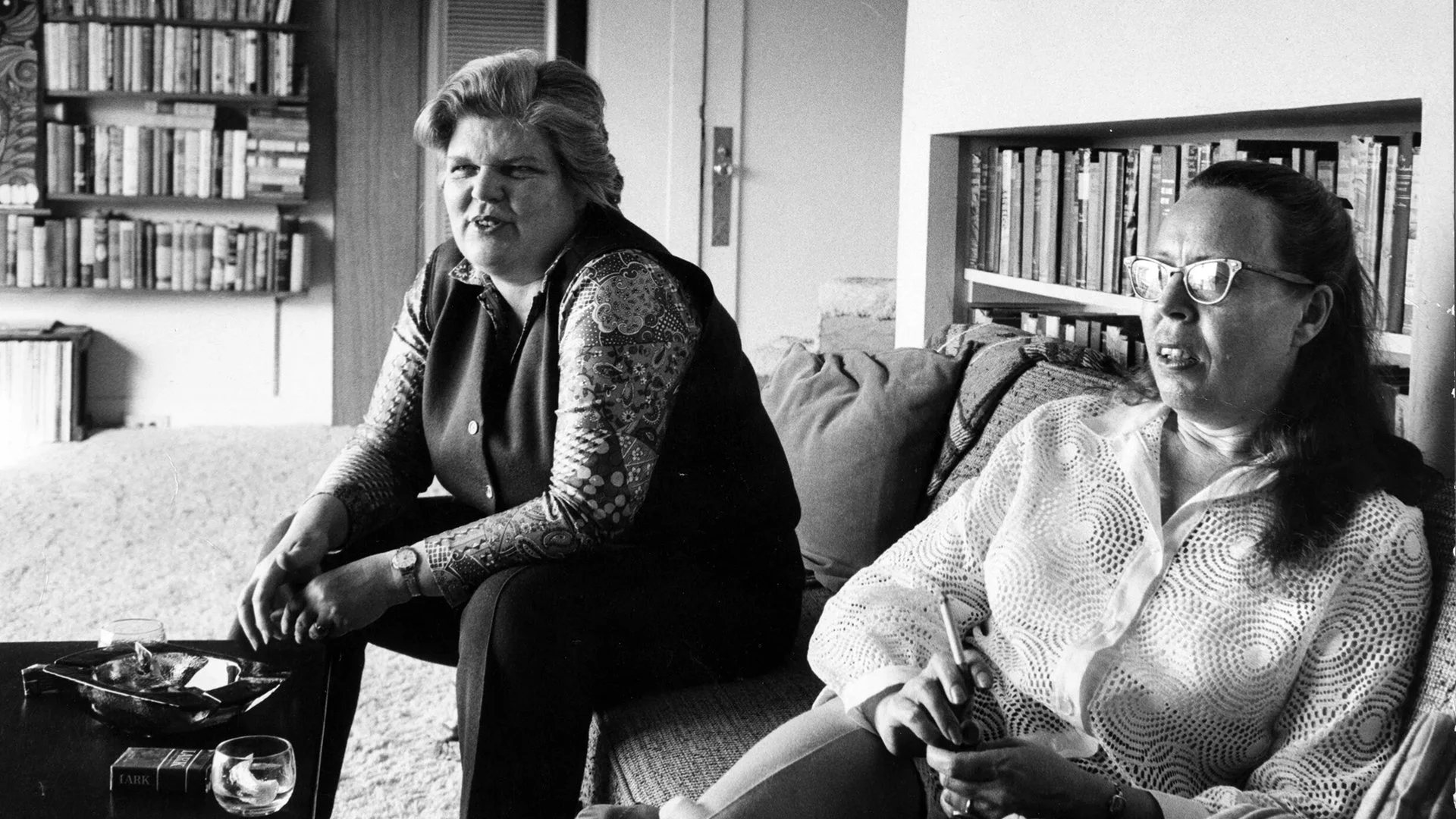
Lyon-Martin is named after Phyllis Lyon and Del Martin.
They were organizers, writers, and builders.
They understood that visibility alone was not enough.
They built structures that allowed people to live, connect, and survive.
That lineage is not symbolic.
It is a responsibility.
It shows up in how we provide care.
It shows up in how we advocate.
And it now shows up more clearly in how we present ourselves.
How This Shows Up Visually
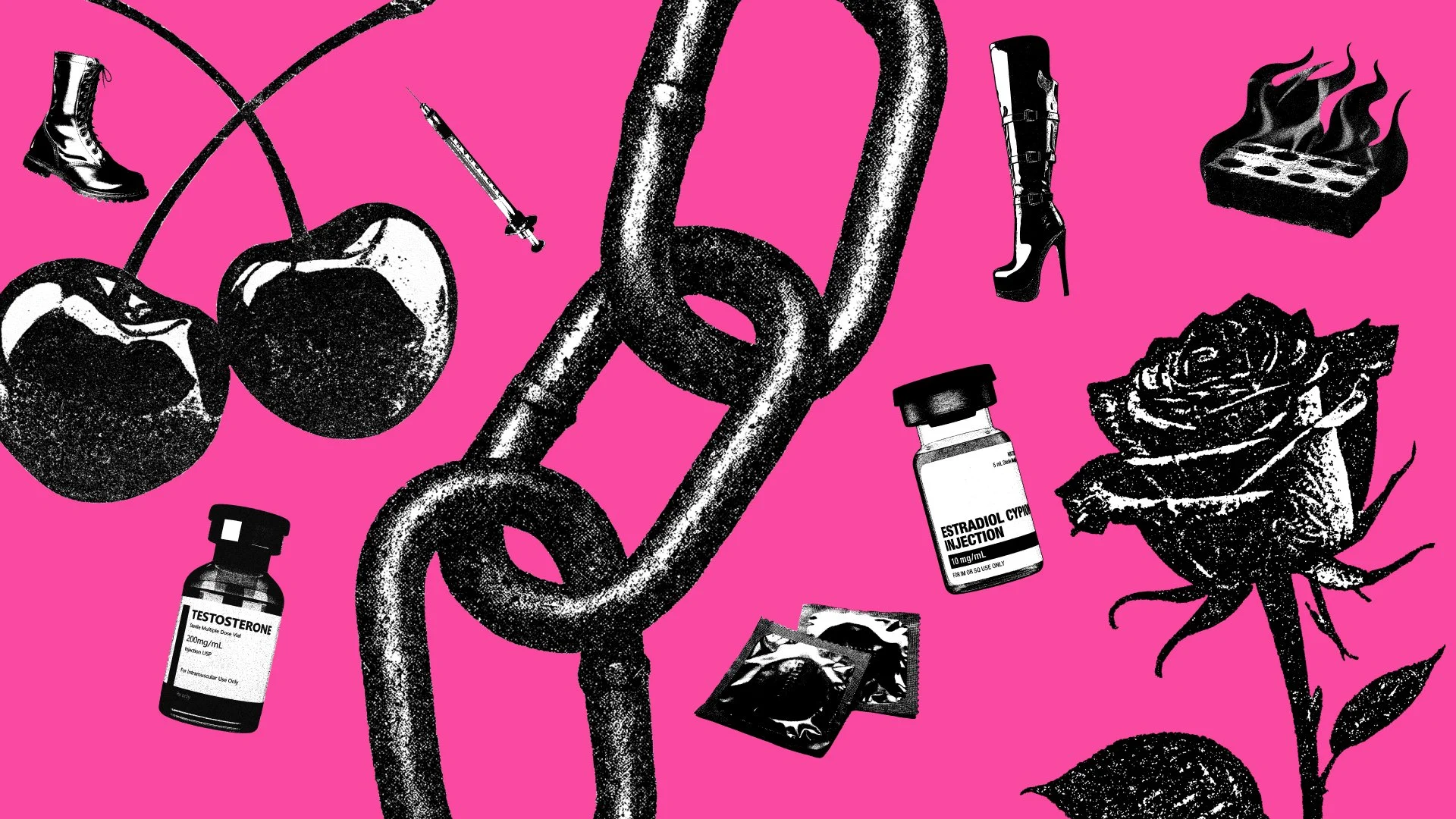
The visual system draws from formats that have always been part of queer and community survival.
Flyers.
Zines.
Posters.
Hand-drawn marks.
These were never about design trends.
They were about access.
About getting information to people who needed it, quickly and clearly.
That history is carried forward here.
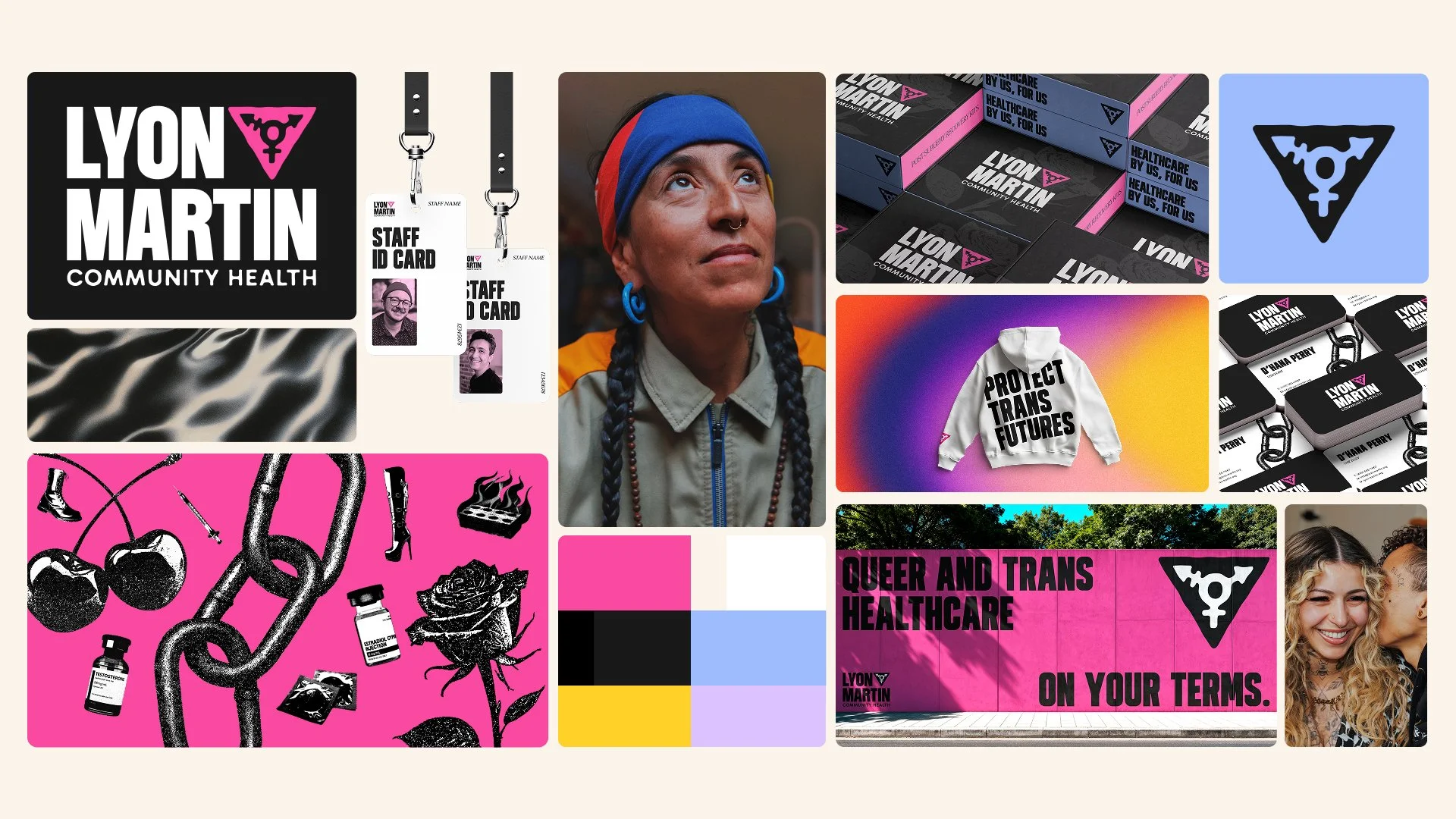
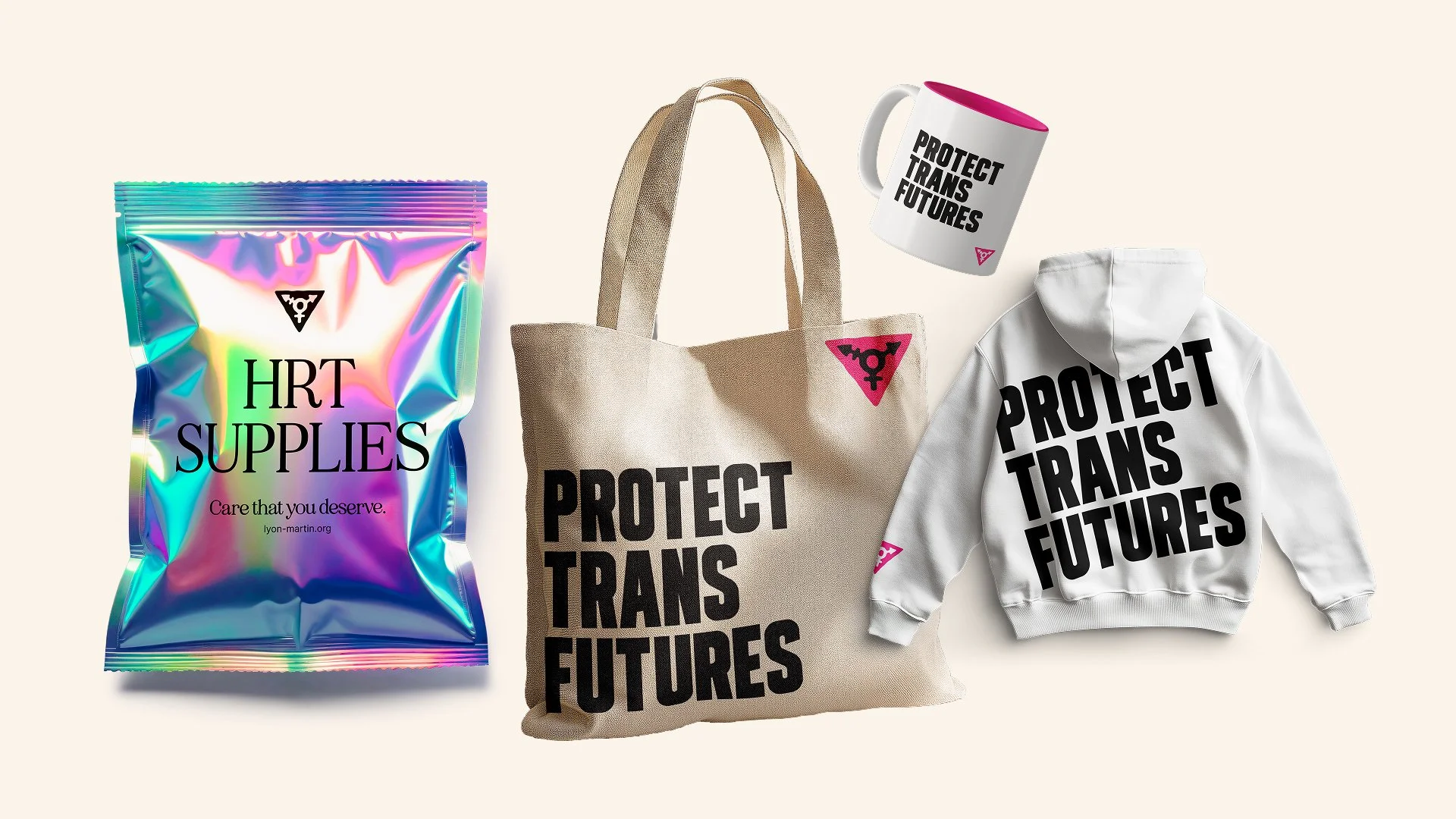
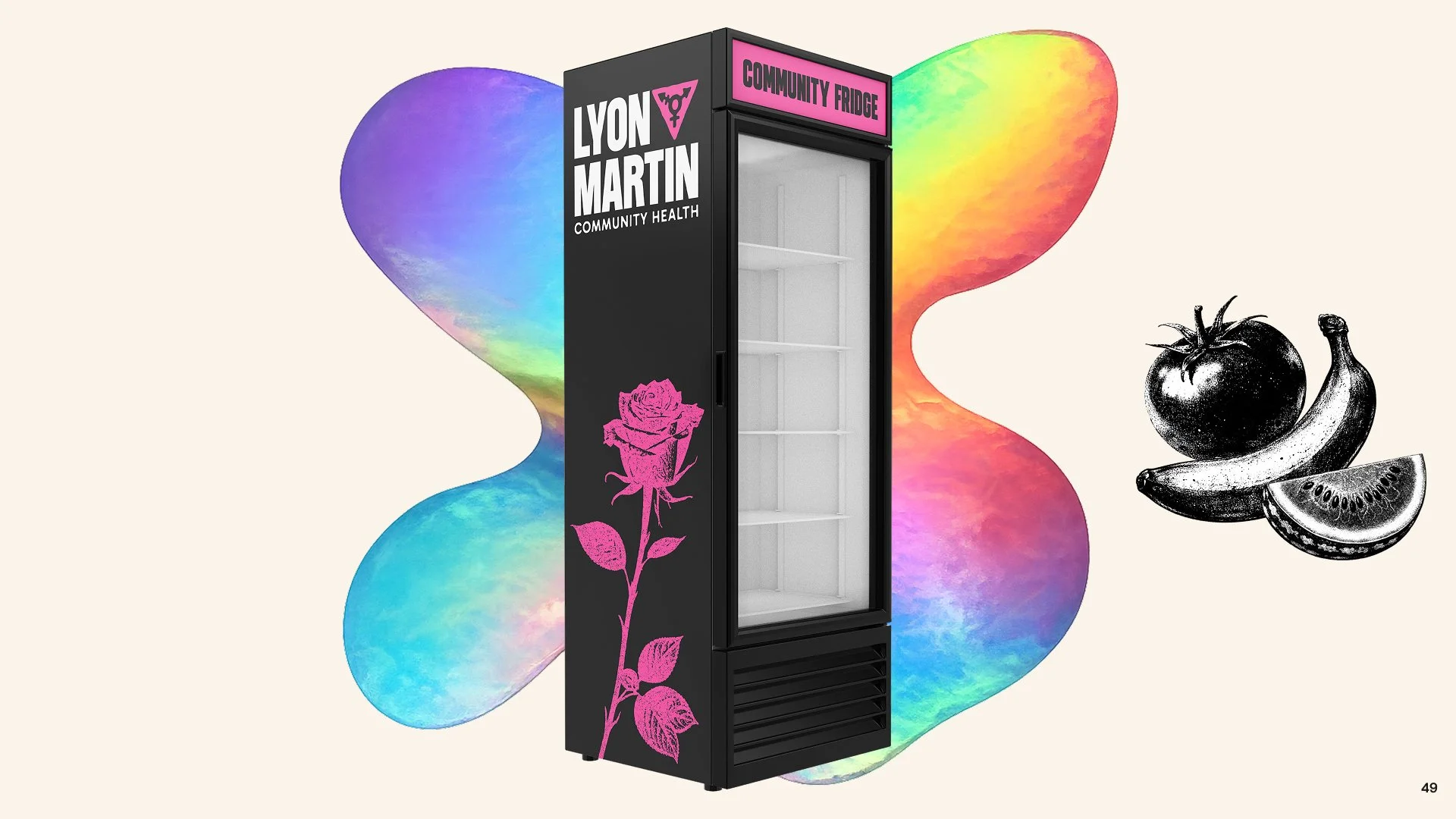
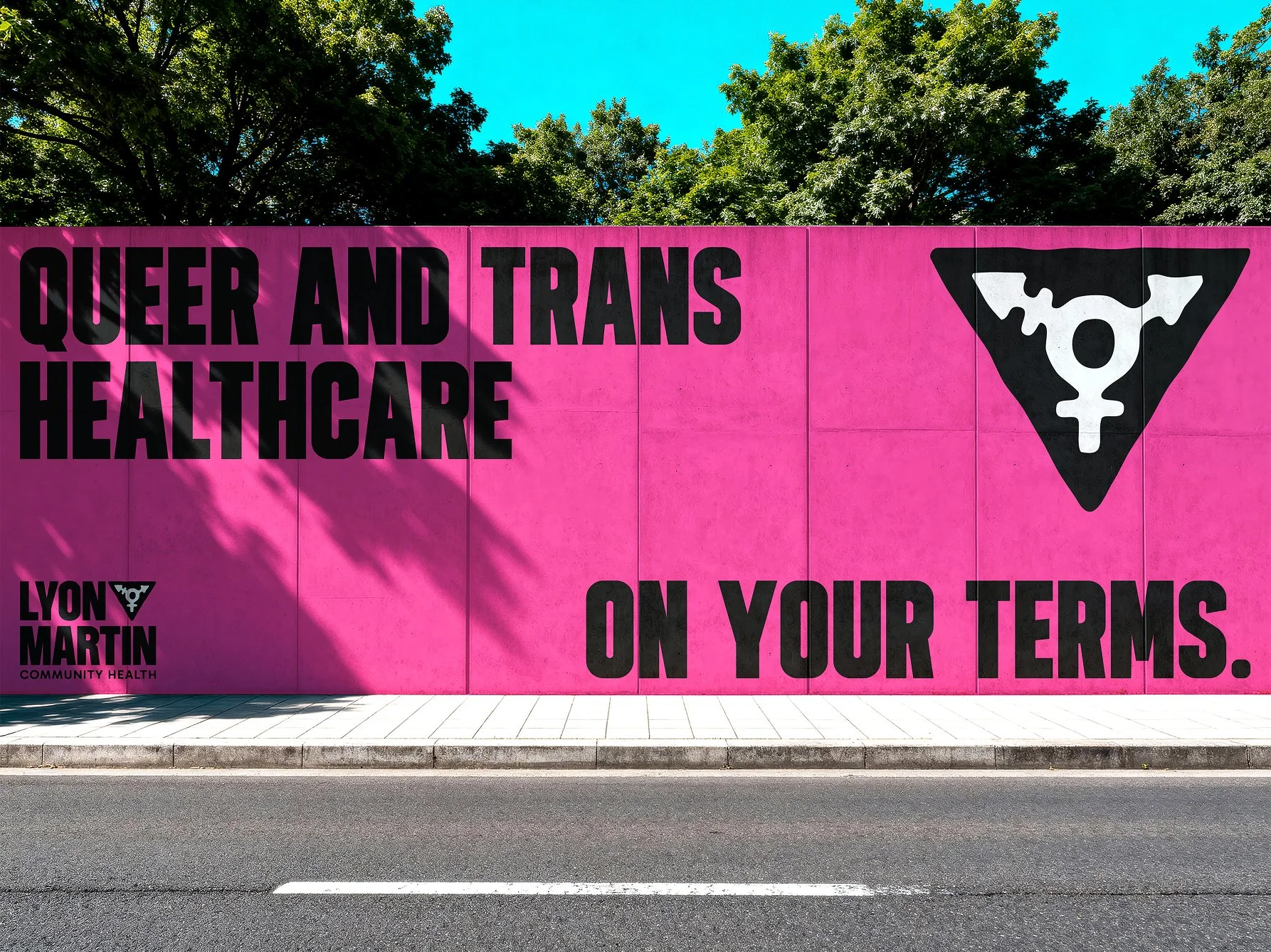
The symbol brings together the trans symbol and the triangle, holding both memory and presence.
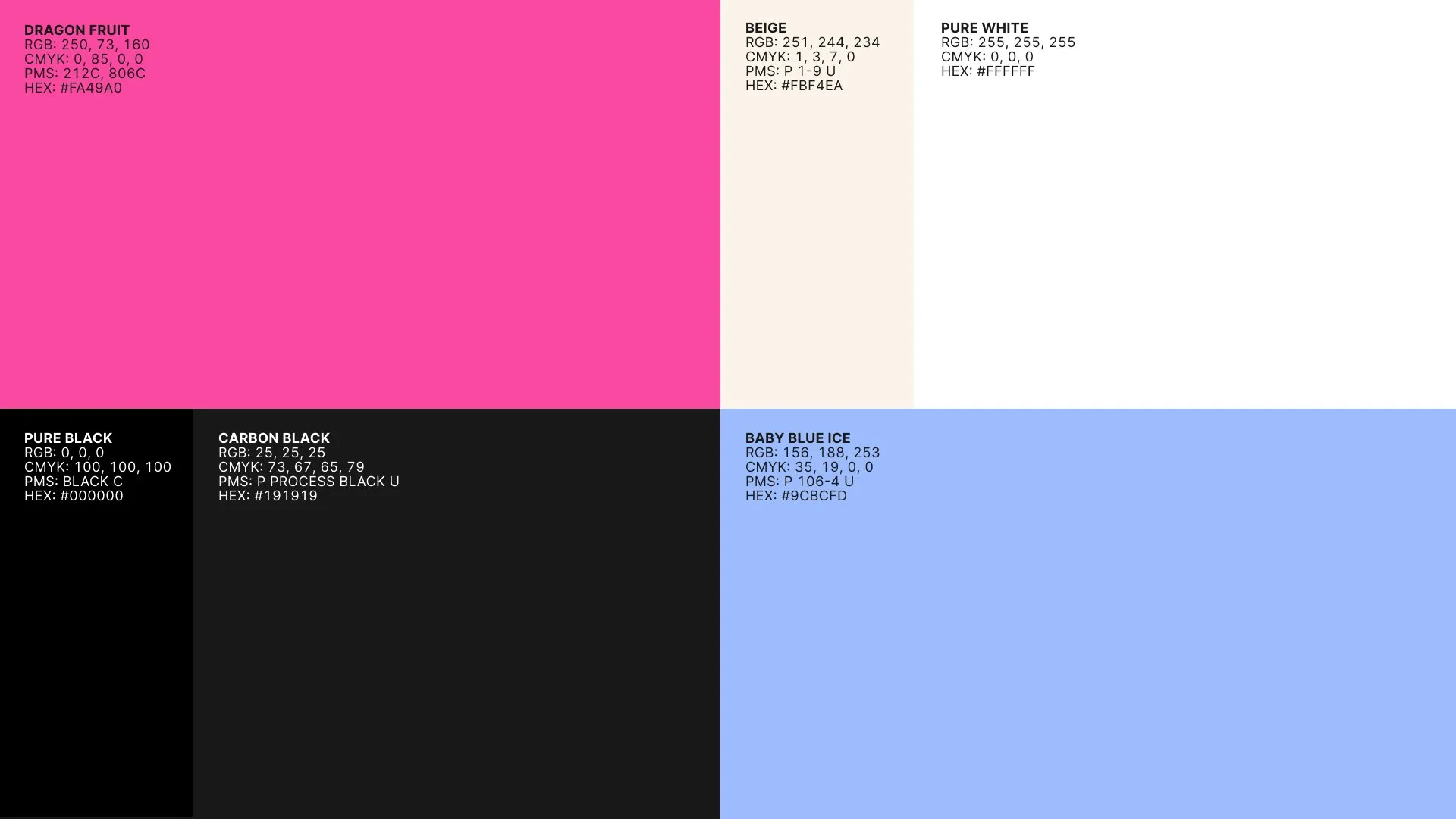
The colors are familiar, but they are not quiet.
They are meant to be seen.
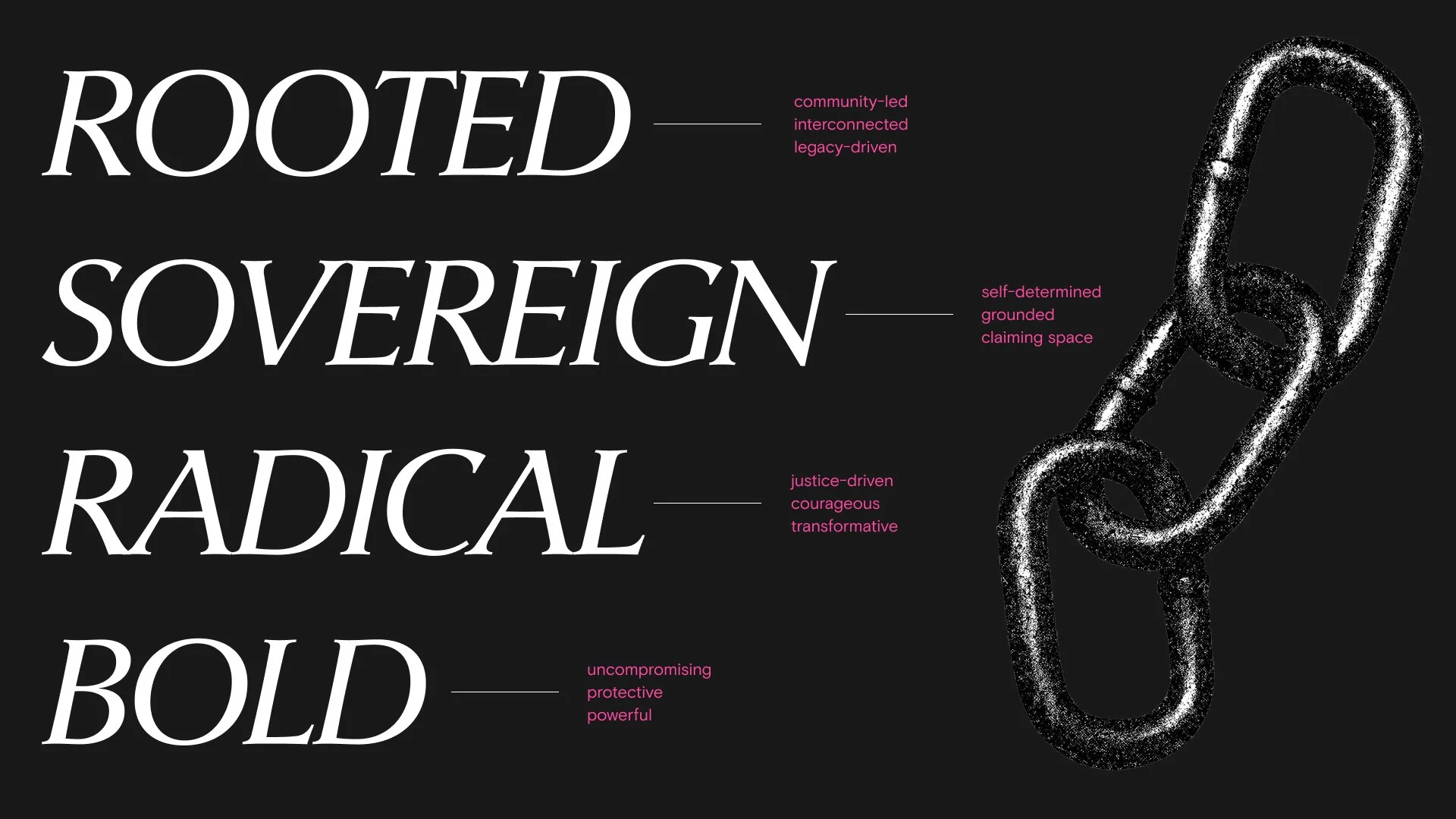
The typography carries weight.
It doesn’t disappear.
Nothing here is neutral.


Built for the Spaces We Actually Work In
This identity was not designed for a presentation deck.
It was designed for the places where care happens.
In exam rooms.
On intake forms.
On materials someone takes home after a visit.
In outreach settings.
In moments where information needs to be clear and immediate.
It needed to work in all of those environments without losing its meaning.
Language Matters Too
Alongside the visual system, we revisited how we write.
We use language that is direct, grounded, and accessible.
We name systems when they are causing harm.
We do not soften reality to make it easier to read.
At the same time, care remains present.
Because the people reading our materials are not abstract audiences.
They are patients, community members, and partners navigating real conditions.
Launching The Ladder
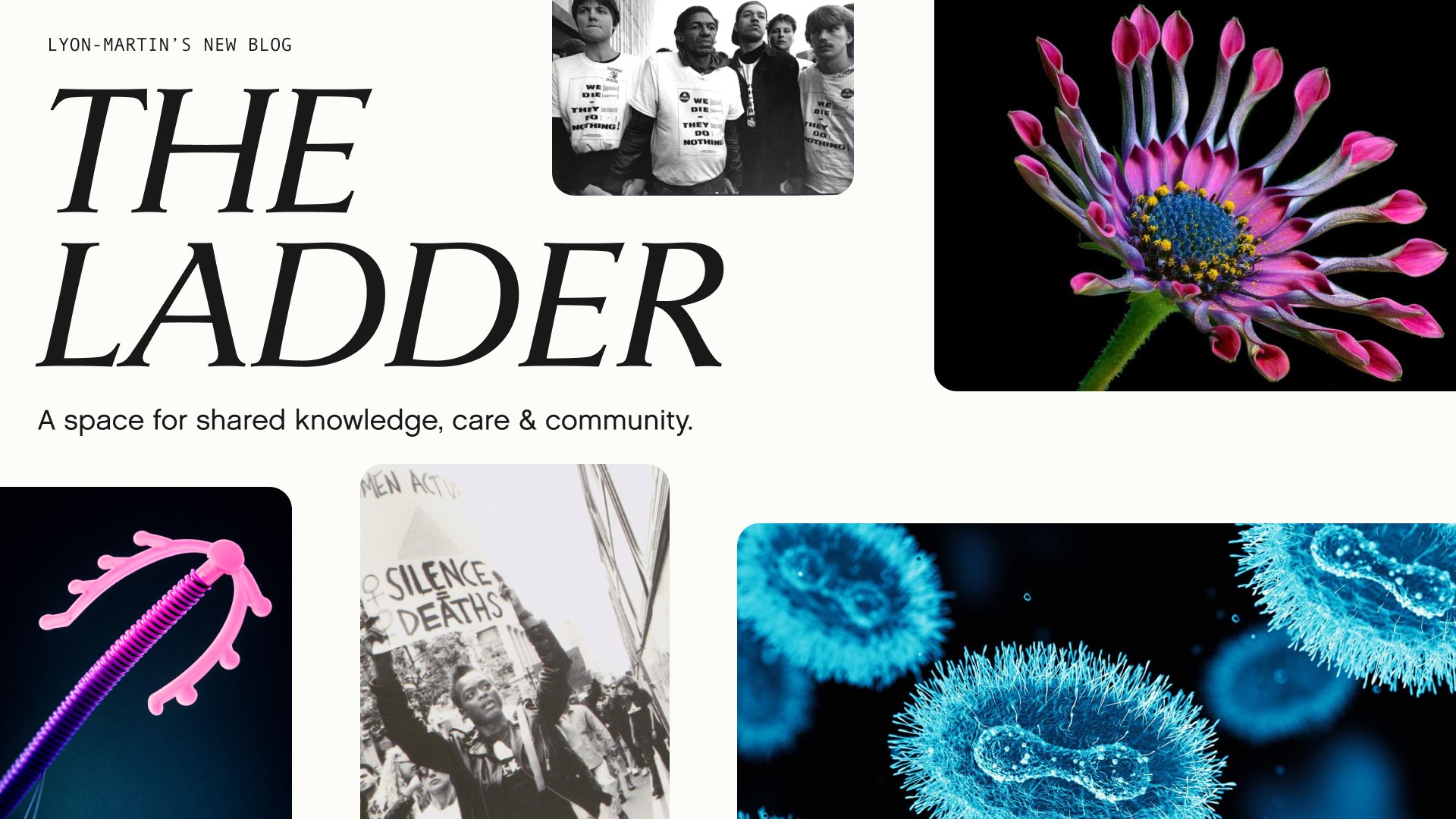
This next chapter also includes the launch of our blog, The Ladder.
The name honors the first nationally distributed lesbian publication in the United States, created as a lifeline for connection and information during a time of deep isolation.
That history matters now.
The Ladder will serve as a space to share resources, policy updates, community knowledge, and stories that support our communities in real time.
It is part of how we continue to show up beyond the clinic walls.
What This Moment Requires
We are working in a time where access to affirming, evidence-based care is increasingly influenced by policy decisions and widespread misinformation.
The communities most impacted by systemic inequities continue to face the greatest barriers to care.
Access to accurate, grounded information can shape outcomes in immediate and lasting ways.
In this context, how we communicate and how we show up has real impact for the people we serve.
This evolution brings our expression closer to the work already happening across the clinic.
It improves clarity, strengthens consistency, and makes our presence more recognizable to our communities.
Our foundation remains the same.
Lyon-Martin has always been carried by and for community.
Join Us in This Next Chapter
Lyon-Martin’s future is built with community.
As we continue to grow, advocate, and expand access to care, this brand will evolve alongside us.
👉 Visit lyon-martin.org
👉 Explore The Ladder for more stories and updates
👉 Sign up for our newsletter
Because care is not only what we provide.
It is what we build, together.