
Women Who Advanced LGBTQ+ Health & Equity
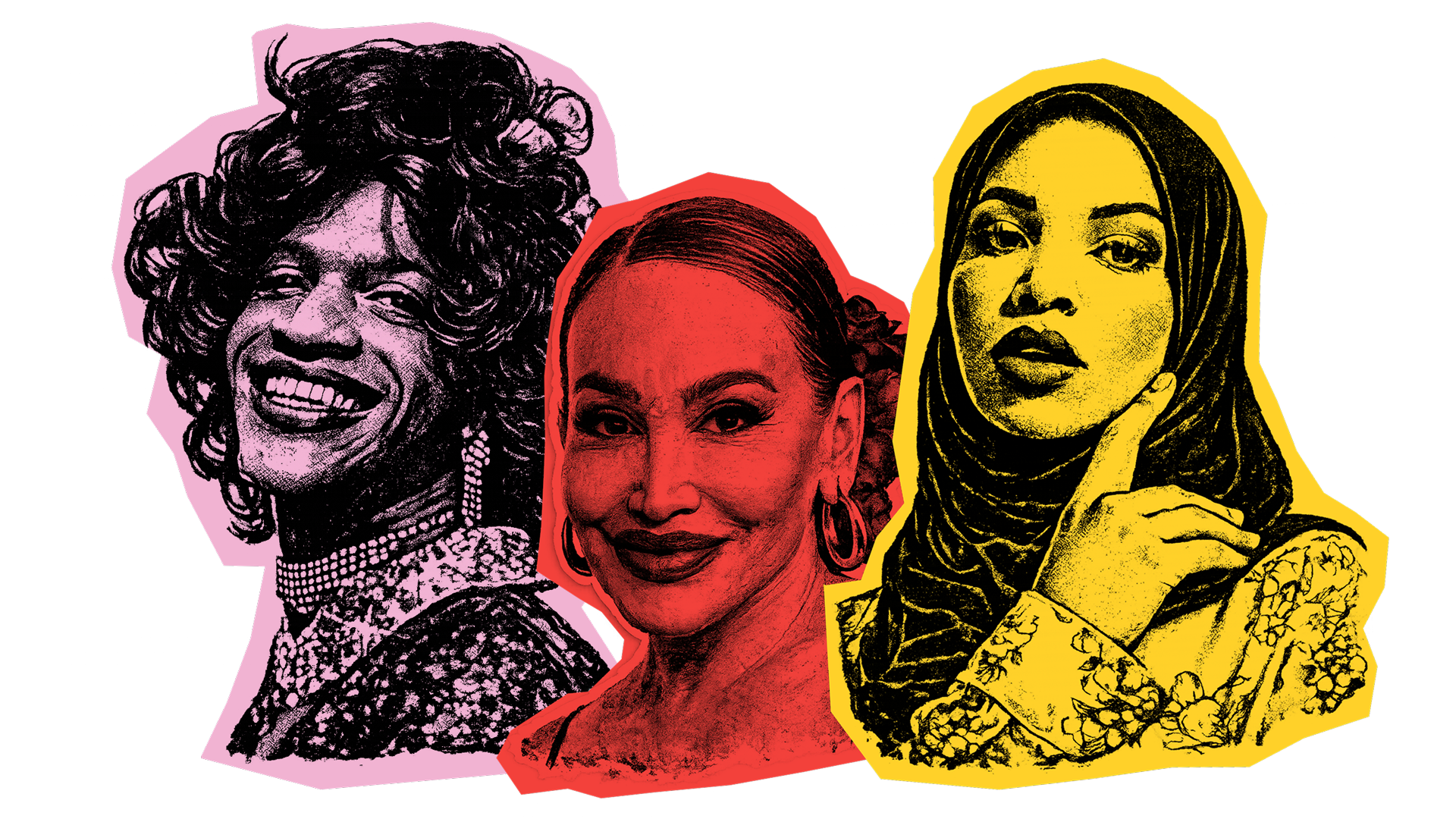
Women’s History Month offers an opportunity to reflect on the leaders whose work shaped the systems we rely on today.
For LGBTQ+ communities, many of the most transformative changes in healthcare, public health, and social justice have been driven by queer and trans women. Often working outside formal institutions, they built networks of care, fought for policy change, and created pathways to dignity and survival for communities that were routinely excluded from healthcare systems.
Their leadership continues to shape the work of organizations like Lyon-Martin Community Health Services, where care is grounded in the belief that health equity must include bodily autonomy, gender-affirming care, reproductive justice, and community-led solutions.
The women highlighted here represent only a fraction of the leaders who advanced LGBTQ+ health and equity. Their work reminds us that many of the systems protecting our communities today were built through persistence, courage, and collective care.
Queer and Trans Women Have Always Carried the Work
They have defended bodies when laws tried to regulate them.
They have protected futures when systems tried to erase them.
They have organized care when institutions refused to provide it.
Some led clinics and shaped policy.
Some marched, testified, wrote, and built.
Some held the hands of those navigating HIV, violence, pregnancy, transition, or survival.
Their leadership reminds us that health is never abstract.
Health lives in bodies.
In safety.
In access.
In autonomy.
Women’s History Month is not simply about recognition. It is about honoring the labor of those who made survival possible and continuing the work they began.
Because the fight for bodily autonomy, gender-affirming care, reproductive freedom, and protection from systemic violence continues to disproportionately impact Black, Brown, trans, disabled, undocumented, and low-income women.
And queer and trans women are not just at the forefront.
They are holding the line.
Building Care When Institutions Failed
Many of the healthcare and justice movements we rely on today were shaped by queer and trans women who organized outside traditional institutions.
Long before healthcare systems acknowledged LGBTQ communities, these leaders were already building networks of care that responded to urgent needs.
They created housing for unhoused trans youth.
They fought for HIV funding and treatment access.
They expanded reproductive justice frameworks.
They pushed medicine to acknowledge women’s bodies and queer health disparities.
They organized communities when violence and discrimination made survival uncertain.
Their work reminds us that healthcare justice has always been inseparable from broader struggles for racial justice, economic justice, immigrant rights, and bodily autonomy.
The leaders highlighted below represent only a small part of that legacy.
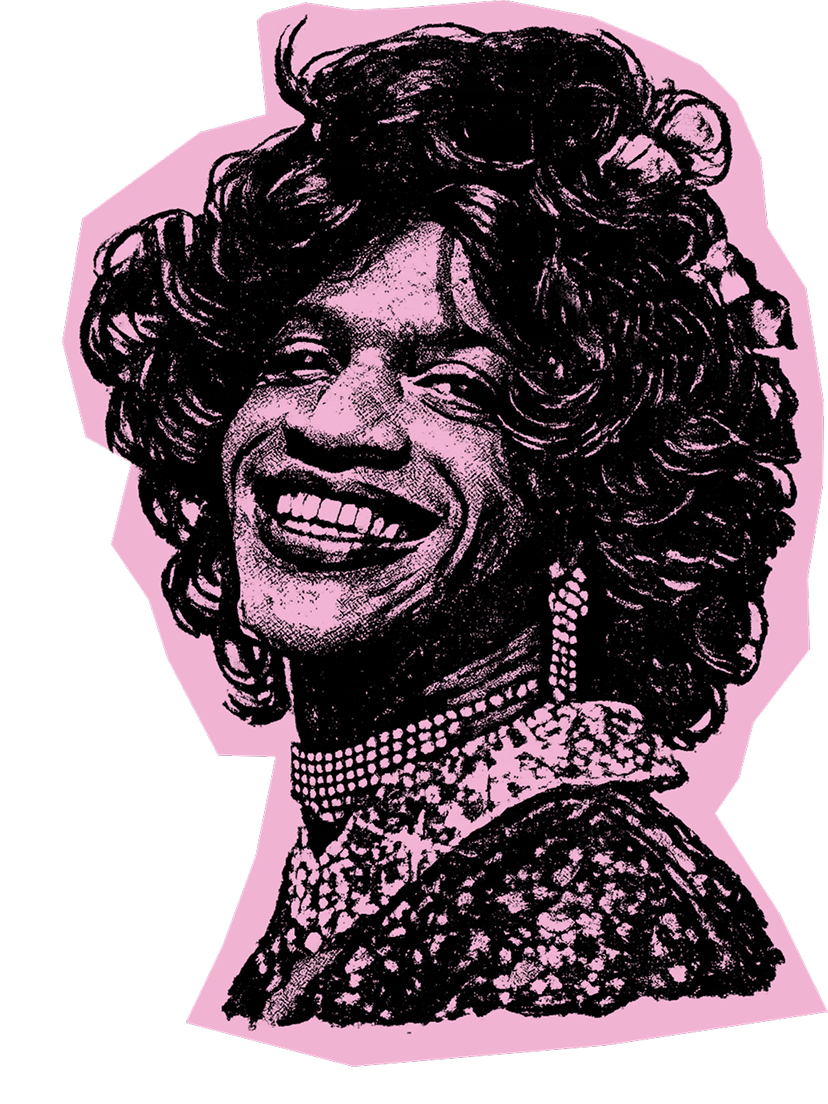
MARSHA P. JOHNSON
Marsha P. Johnson was a central figure in the Stonewall uprising and a founding member of STAR (Street Transvestite Action Revolutionaries) alongside Sylvia Rivera.
STAR created housing and survival support for unhoused trans youth in New York City at a time when few services existed.
Johnson organized tirelessly for trans women, sex workers, and people living with HIV, practicing community-based care decades before public institutions responded.
Her activism connected liberation, harm reduction, and survival on the street—helping shape the foundations of modern LGBTQ health justice movements.
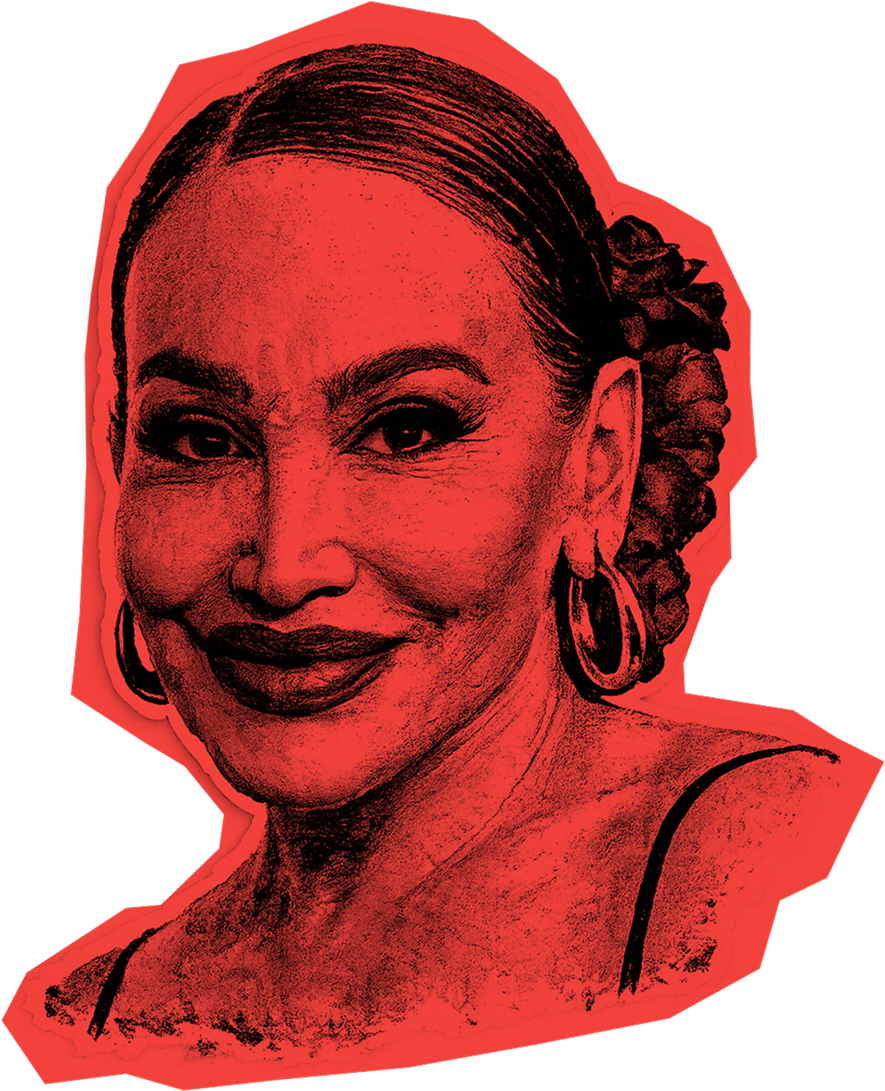
Cecilia Gentili
Cecilia Gentili was a trans Latina activist and organizer who fought for immigrant justice, HIV equity, and healthcare access for trans communities.
A former sex worker and undocumented immigrant, Gentili used her lived experience to advocate for policy reforms expanding gender-affirming healthcare access and protections for sex workers.
Her leadership bridged grassroots organizing with national health policy advocacy, ensuring that trans migrants and people living with HIV remained central in public health debates.
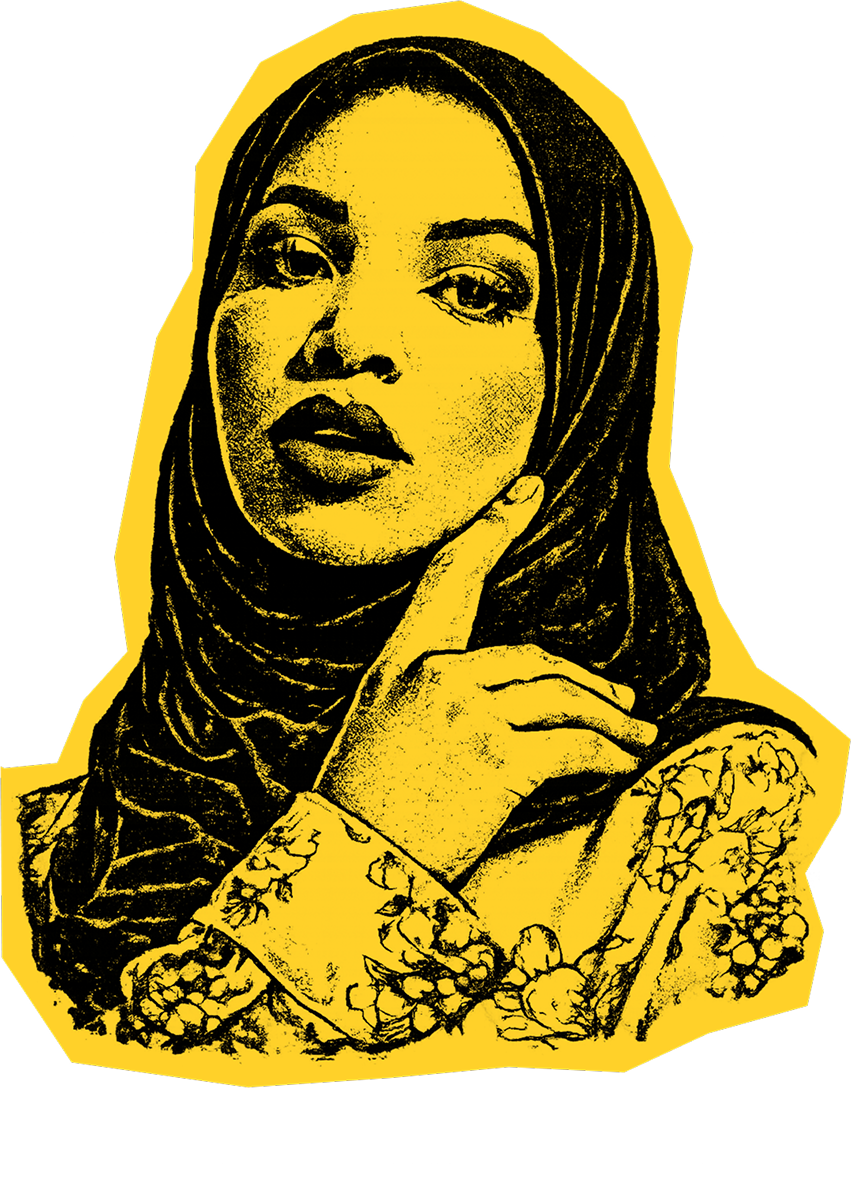
Blair Imani
Blair Imani is a queer educator, historian, and digital storyteller whose work advances LGBTQ health literacy and reproductive justice awareness.
Through accessible educational content, multimedia storytelling, and historical analysis, she helps younger generations understand the connections between public health, racial justice, and LGBTQ rights.
Her work demonstrates that education itself can be a powerful tool for health equity.
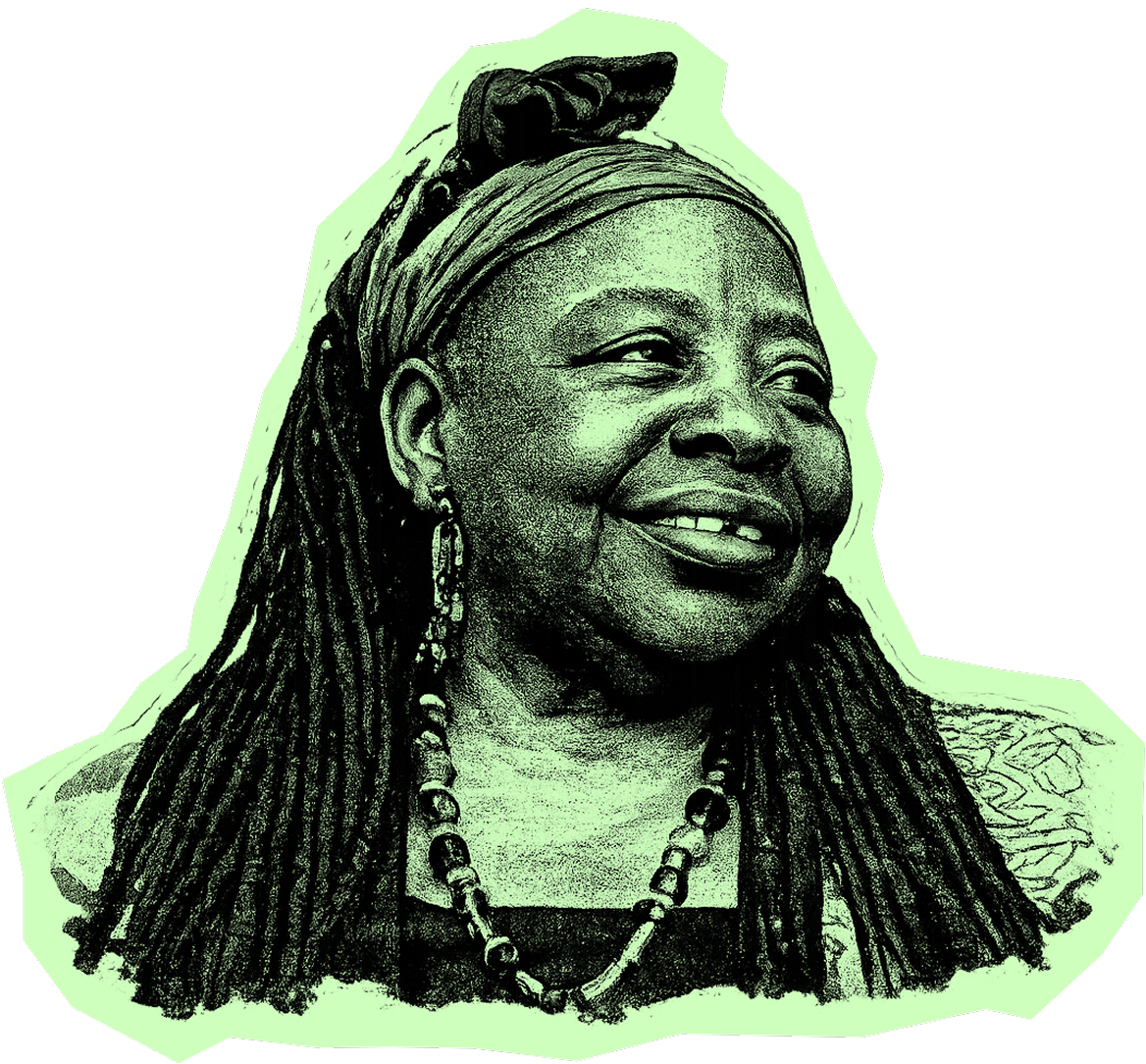
Loretta Ross
Loretta Ross is one of the co-founders of the reproductive justice movement, a framework that connects bodily autonomy, racial justice, and economic equity.
As a queer Black feminist, Ross helped transform how reproductive healthcare is understood—moving beyond abortion access alone to address the broader conditions that shape people’s ability to raise families safely and with dignity.
Her work continues to influence healthcare policy, feminist organizing, and LGBTQ health advocacy across the United States.

Dr. Susan Love
Dr. Susan Love was a pioneering breast cancer surgeon and lesbian health advocate who transformed how medicine approaches women’s health.
She challenged patriarchal models of healthcare that often ignored or misunderstood women’s bodies and experiences.
Love advanced patient-centered cancer care, expanded research on women’s health, and openly addressed lesbian health disparities and gaps in clinical research.
Her work reshaped how medicine listens to, studies, and treats women.
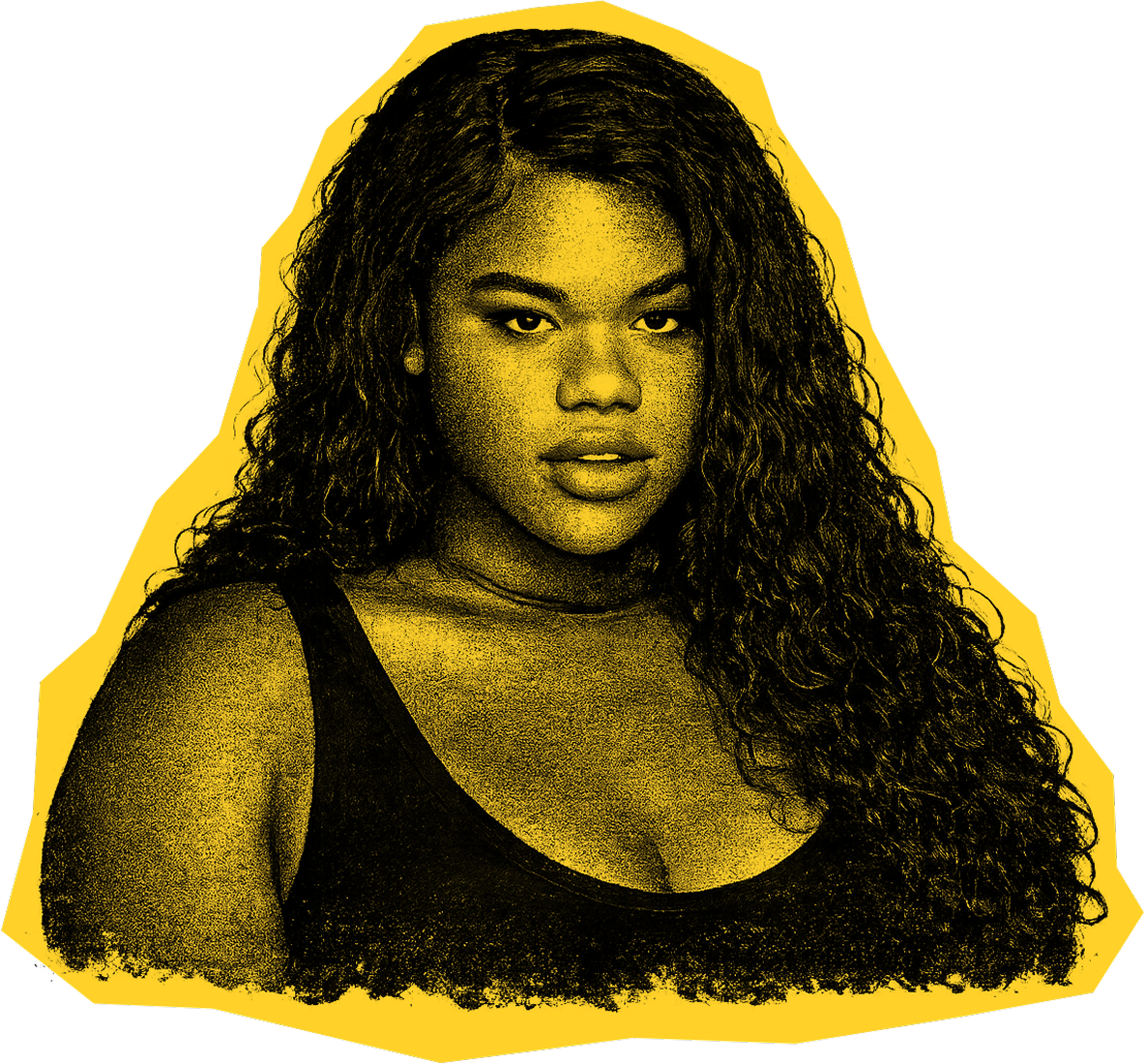
JARI JONES
Model and activist Jari Jones uses platforms in fashion, media, and culture to advocate for Black trans visibility and safety.
Through storytelling and representation, she highlights the systemic inequities affecting trans women’s health, economic stability, and safety.
Her work challenges cultural exclusion while expanding who is recognized as worthy of care, dignity, and protection.
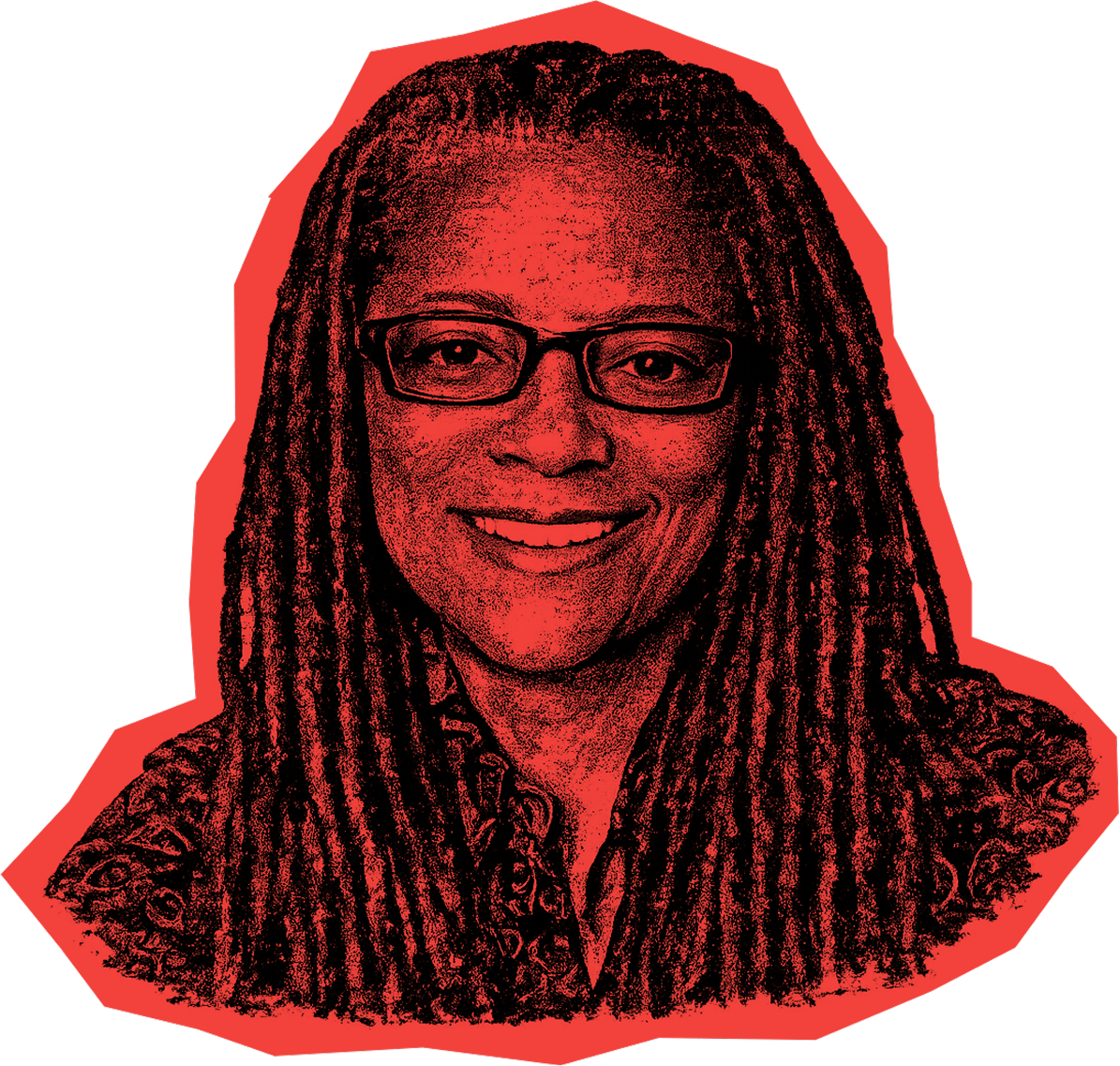
Nadine Smith
As Executive Director of Equality Florida, Nadine Smith has led statewide resistance against anti-LGBTQ legislation threatening healthcare access and youth protections.
Her leadership focuses on defending gender-affirming care, advancing LGBTQ civil rights, and mobilizing communities in response to discriminatory laws.
Smith’s work demonstrates how policy advocacy remains central to protecting health and safety for LGBTQ communities.
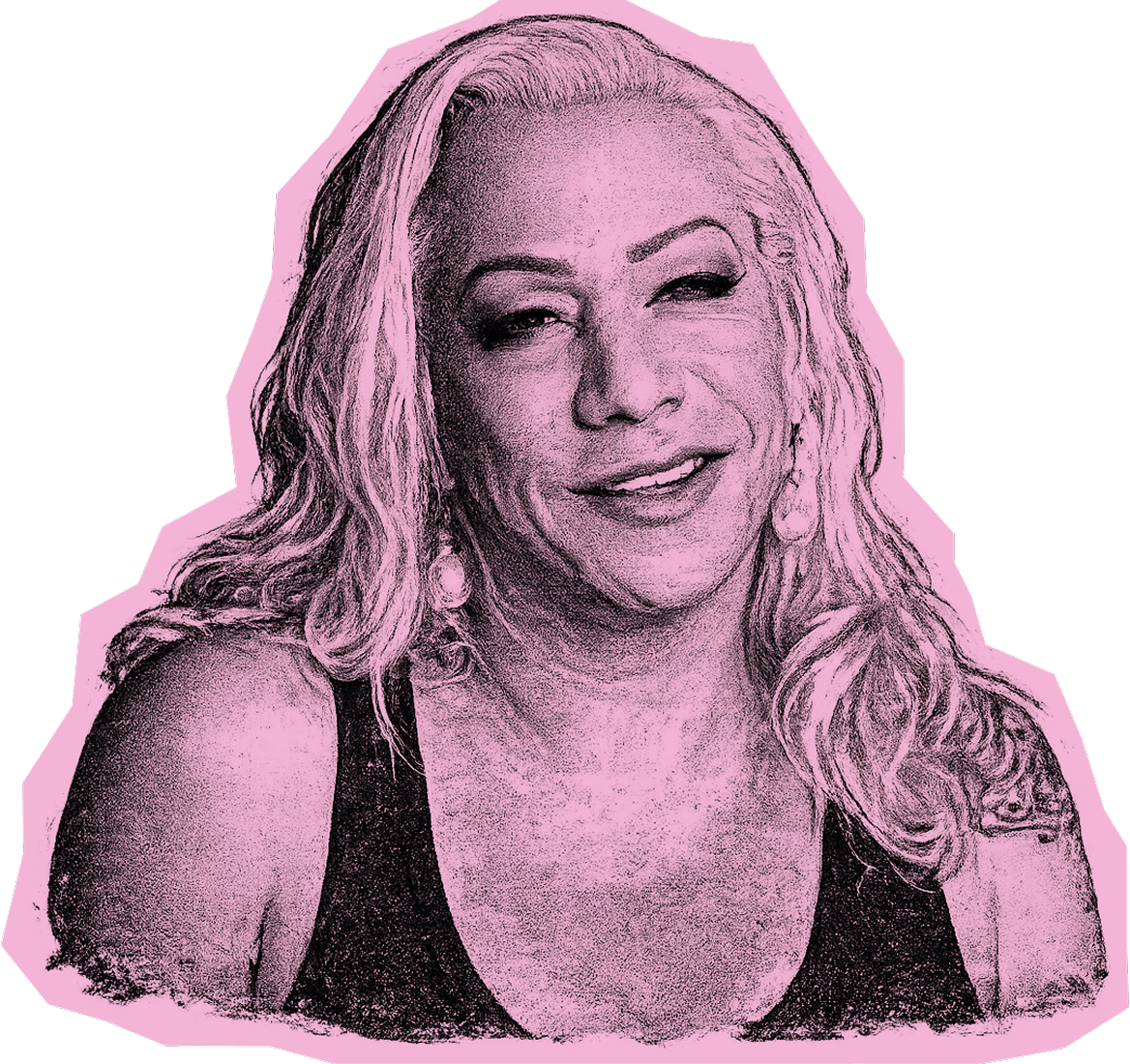
Bamby Salcedo
Bamby Salcedo is the founder of the TransLatin@ Coalition, an organization that supports trans Latina immigrants through healthcare navigation, housing programs, and policy advocacy.
Her work centers undocumented and HIV-affected communities who often face overlapping barriers to healthcare access.
Through national organizing and leadership development, Salcedo has helped expand culturally responsive care infrastructure for trans migrants across the United States.
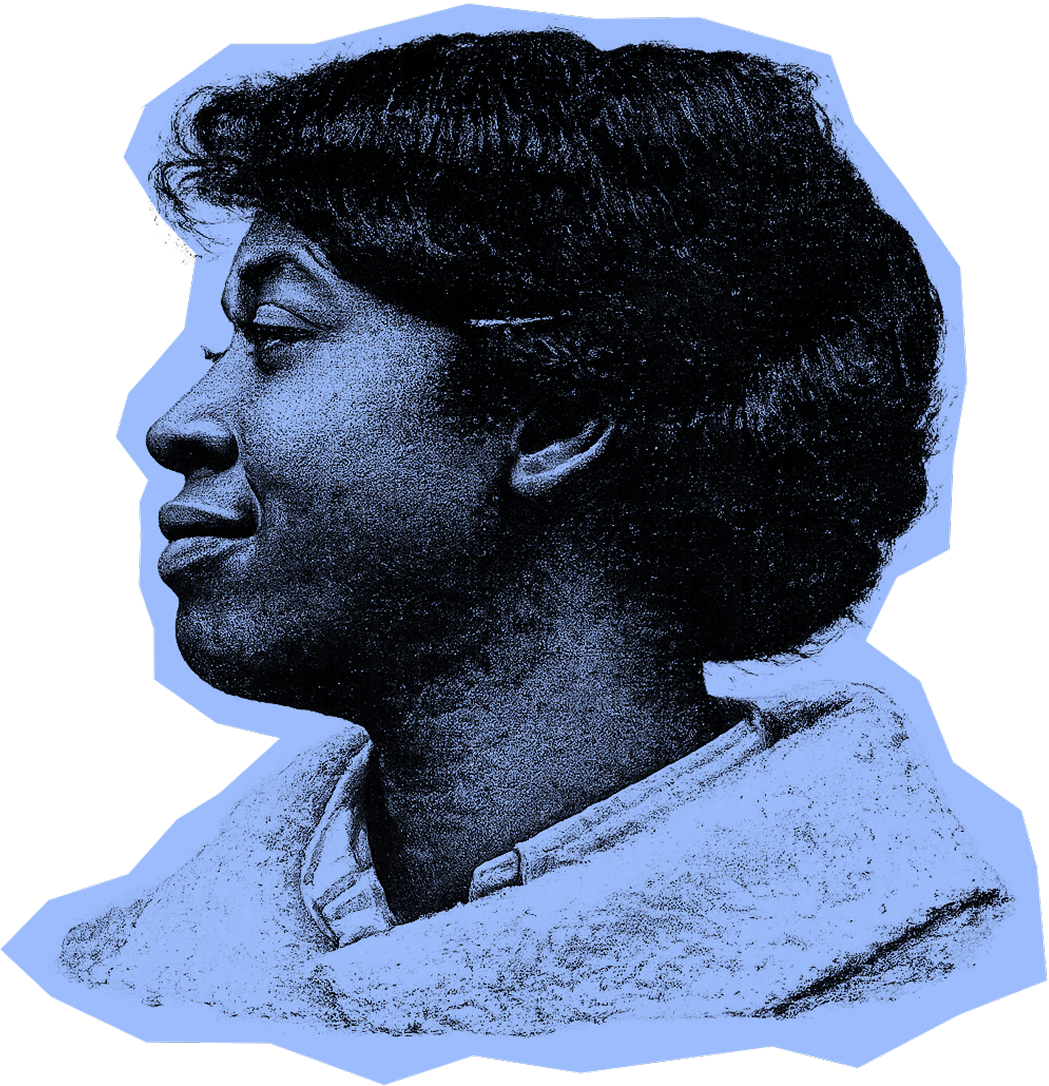
Ernestine Eckstein
Ernestine Eckstein was a Black lesbian activist who organized some of the earliest public LGBTQ protests in the 1960s.
She connected racial justice and gay rights movements at a time when few activists were publicly addressing their intersection.
Eckstein’s organizing helped lay the groundwork for modern LGBTQ protest movements and visibility in civic life.
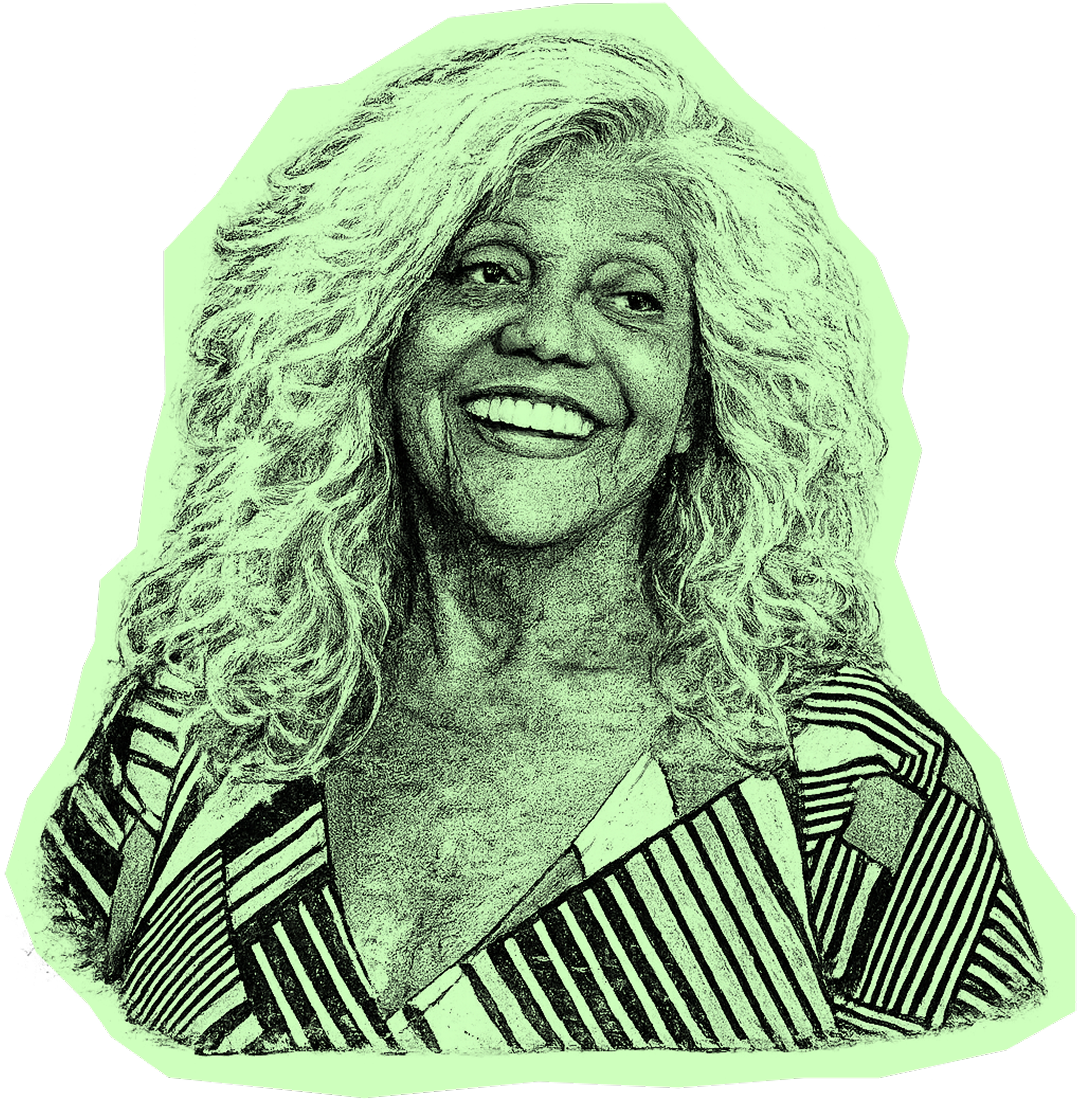
Miss Major Griffin-Gracy
Miss Major Griffin-Gracy, a Stonewall veteran and lifelong abolitionist, has spent decades building care infrastructure for trans communities.
During the AIDS crisis in 1980s San Francisco, she founded Angels of Care, supporting people dying of AIDS when many hospitals refused to treat them.
She later co-founded TGI Justice Project (TGIJP), which centers incarcerated trans people and challenges systemic violence within prisons.
Miss Major’s work reminds us that community care often begins where institutions fail.
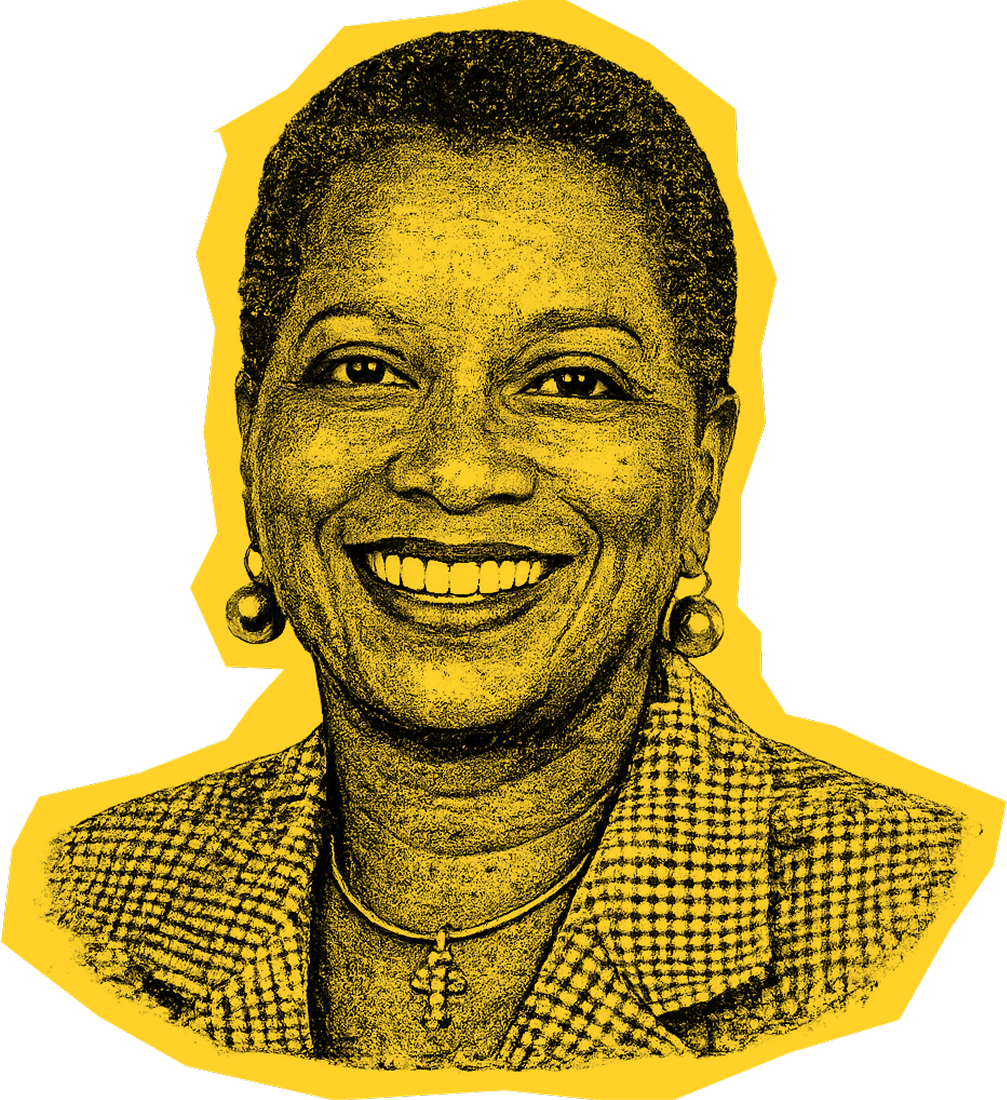
Dr. Donna Christian-Christensen
Physician and former U.S. Congresswoman Dr. Donna Christian-Christensen championed federal policies supporting HIV funding, women’s health, and health equity.
Representing the U.S. Virgin Islands, she worked to center Black and Caribbean communities in national public health conversations.
Her leadership expanded visibility for LGBTQ-inclusive healthcare priorities within federal policy debates.

Raquel Willis
Writer and activist Raquel Willis is a national leader in advocacy for Black trans lives.
She helped organize the historic 2020 Brooklyn Liberation March, one of the largest demonstrations for trans rights in history.
Willis’s work centers healthcare access, safety, and economic justice for trans women—pushing institutions beyond symbolic inclusion toward sustained structural investment in trans-led solutions.
The Work Continues
The leaders honored here represent only a small part of the countless queer and trans women who have shaped movements for healthcare justice, reproductive autonomy, and community safety.
Their work reminds us that the systems we rely on today did not appear spontaneously.
They were built through organizing.
Through persistence.
Through care.
Many of the struggles these leaders confronted—barriers to healthcare, criminalization, discrimination, and economic inequality—continue to affect marginalized communities today.
Honoring their legacy means more than remembering their names.
It means continuing the work they began.
Continue Exploring LGBTQ Health History
The work of these leaders is part of a much larger history of community care and organizing.
Explore more stories about the people and movements that shaped LGBTQ health justice:
Why Phyllis Lyon & Del Martin Still Matter Today
Learn how the founders of the Daughters of Bilitis helped create the foundations of lesbian organizing and community care.
The History of Lyon-Martin: From Grassroots Clinic to Community Health Center
Discover how Lyon-Martin grew from a volunteer-run clinic into one of the nation’s leading LGBTQ community health centers.
The Ladder: How a Lesbian Publication Built Community Across the U.S.
Explore the history of the first nationally distributed lesbian magazine and its impact on LGBTQ visibility and organizing.
Carrying the Legacy Forward
At Lyon-Martin Community Health Services, the work of advancing LGBTQI+ health equity continues every day.
Through gender-affirming care, reproductive health services, harm reduction programs, and community-centered healthcare, we are committed to building systems that reflect the dignity and needs of our communities.
Explore more stories and health education resources on The Ladder, Lyon-Martin’s blog.
👉 Visit lyon-martin.org/blog
👉 Sign up for our newsletter for monthly updates and community stories.