
Which IUD Is Right for Me? Comparing IUD Options
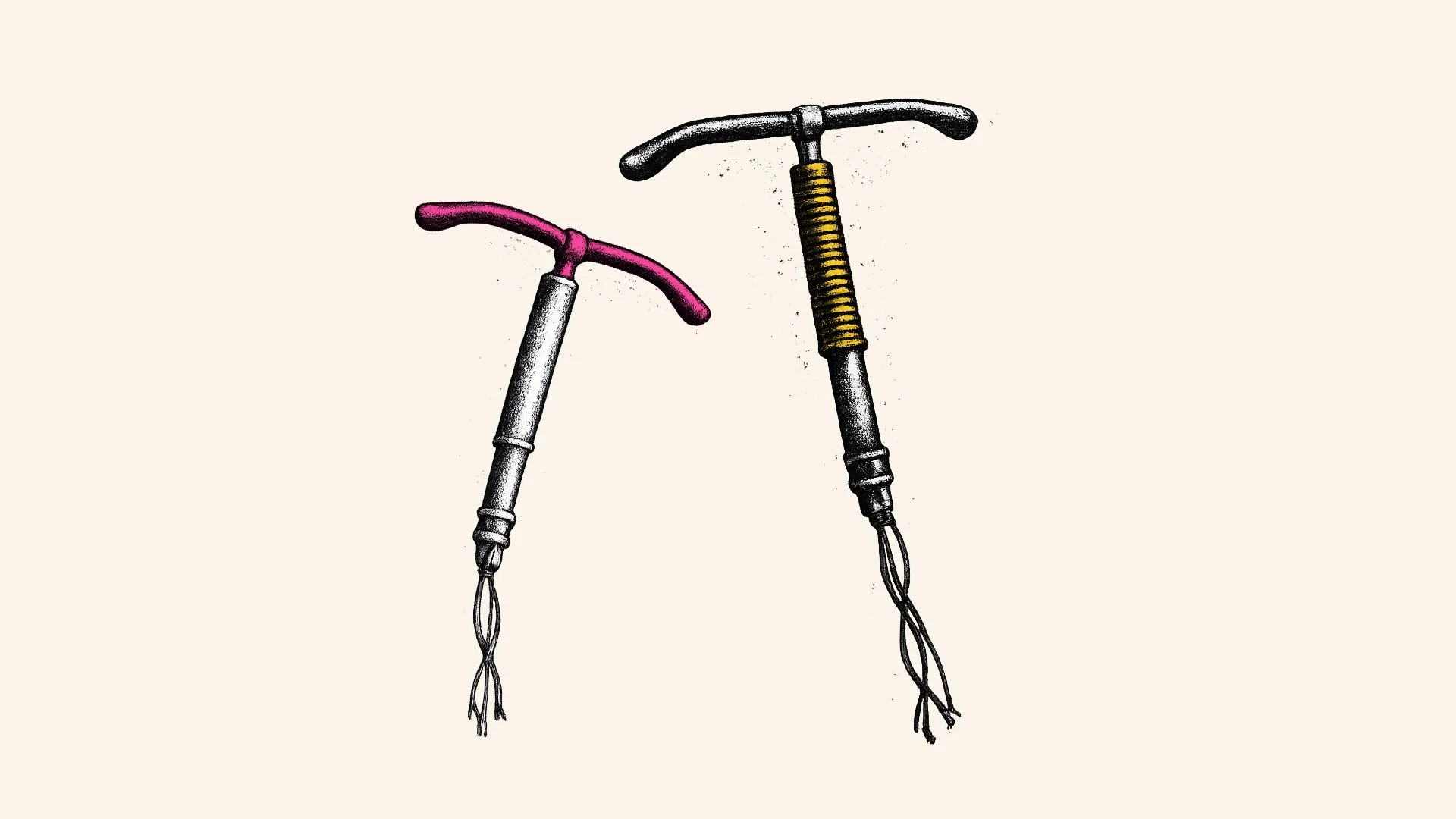
Which IUD Is Right for Me?
An intrauterine device (IUD) is one of the most effective and easy-to-use methods of birth control. IUDs are safe, effective, and reversible.
IUDs are over 99% effective at preventing pregnancy. They require a procedure for insertion and removal, are long-lasting, and can be removed at any time.
So how do you decide which IUD is best for you? Each type of IUD has different benefits and possible side effects to consider. Below is a comparison to help you decide which IUD may be the right fit for your body and needs.
At Lyon-Martin Community Health Services, we support informed, self-determined choices and provide clear, affirming information for all bodies.
Types of IUDs: A Comparison
Paragard (Copper IUD)
How It Works
Paragard contains a small amount of copper. Copper disables sperm and prevents pregnancy.
Size
1.3 by 1.4 inches
Period Changes
You may have heavier and longer periods. Some people experience spotting between periods.
Side Effects
Not ideal for people with significant iron-deficiency anemia due to increased blood loss during periods.
Length of Use
10+ years
Other Benefits
Excellent option for people who do not want or medically cannot use hormones
May reduce the risk of uterine cancer
Can be used as emergency contraception up to 5 days after unprotected sperm-egg intercourse
Mirena (Progesterone IUD)
How It Works
Releases a low amount of progesterone (levonorgestrel 20 micrograms per 24 hours). This hormone thickens cervical mucus and thins the lining of the uterus.
Size
1.3 by 1.3 inches
Period Changes
Periods are often lighter or may stop entirely.
After one year, 1 in 5 users stop getting a period
After two years, half of users stop getting a period
For some people, periods remain normal
Side Effects
Irregular spotting and bleeding during the first few months. Periods may stop after several months.
Length of Use
8 years
Other Benefits
Helps treat painful, heavy periods
Helps manage symptoms of endometriosis
May reduce risk of uterine cancer
May help treat or prevent iron-deficiency anemia
May reduce risk of pelvic inflammatory disease (PID)
Can be used as emergency contraception up to 5 days after unprotected sperm-egg intercourse
Most effective IUD at stopping period
Skyla (Progesterone IUD)
How It Works
Releases a low amount of progesterone (levonorgestrel 14 micrograms per 24 hours). This hormone thickens cervical mucus and thins the lining of the uterus.
Size
1.3 by 1.1 inches
Period Changes
After one year, 1 in 10 users stop getting a period
1 in 4 users experience irregular or unpredictable bleeding
Side Effects
Irregular spotting and bleeding during the first few months. Periods may stop after several months.
Length of Use
3 years
Other Benefits
Helps treat painful, heavy periods
Helps manage symptoms of endometriosis
May reduce risk of uterine cancer
May help treat or prevent iron-deficiency anemia
May reduce risk of pelvic inflammatory disease (PID)
| Feature | Paragard (Copper IUD) | Mirena (Hormonal IUD) | Skyla (Hormonal IUD) |
|---|---|---|---|
| Type | Non-hormonal (Copper) | Hormonal (Progesterone) | Hormonal (Progesterone) |
| How It Works | Copper disables sperm | Releases progesterone to thicken cervical mucus and thin uterine lining | Releases progesterone to thicken cervical mucus and thin uterine lining |
| Hormone Dose | None | 20 mcg levonorgestrel per day | 14 mcg levonorgestrel per day |
| Size | 1.3 × 1.4 inches | 1.3 × 1.3 inches | 1.3 × 1.1 inches |
| Effectiveness | Over 99% | Over 99% | Over 99% |
| Period Changes | Heavier or longer periods; spotting possible | Periods often lighter or stop over time | Irregular or unpredictable bleeding more common |
| After 1 Year | Periods may remain heavier | 1 in 5 users stop getting a period | 1 in 10 users stop getting a period |
| After 2 Years | — | About half stop getting a period | — |
| Common Side Effects | Increased bleeding; not ideal for iron-deficiency anemia | Irregular spotting early on; periods may stop | Irregular spotting early on; periods may stop |
| Length of Use | 10+ years | Up to 8 years | Up to 3 years |
| Other Benefits | Hormone-free; can be used as emergency contraception (within 5 days) | Helps with heavy or painful periods, endometriosis symptoms; may reduce anemia and uterine cancer risk | Helps with heavy or painful periods; may reduce uterine cancer risk |
| Emergency Contraceptive | Yes (up to 5 days) | Yes (up to 5 days) | No |
How to Decide Which IUD Is Right for You
The “right” IUD depends on your goals, preferences, and medical history. Some people prioritize hormone-free options, while others want lighter or absent periods, or longer-lasting protection.
A clinician can help you talk through:
Period changes
Hormone preferences
Medical considerations
How long you want birth control to last
Want to Talk With a Clinician About IUD Options?
Choosing birth control is a personal decision. You don’t have to decide alone.
Our care team at Lyon-Martin offers trauma-informed, gender-affirming reproductive care and will work with you to find an option that feels right for your body.
👉 Learn more about Birth Control & Gynecological Care
👉 Schedule an appointment