
Borderland Bodies: A Reproductive and Sexual Health Guide for Queer and Trans Communities
There Are a Lot of Ways to Have a Body
Bodies change. They transition. They get pregnant. They don’t. They bleed, scar, heal, hurt, get wet, get hard, get tired, get turned on. Hormones, surgery, disability, age and life can change how our bodies look, feel and function.
And not every body fits neatly into the words or categories we find on a medical form.
We made Borderland Bodies for that reality.
Borderland Bodies is Lyon-Martin Community Health Services’ guide to reproductive and sexual health for queer, trans and intersex people, and anyone who’s been misgendered in an exam room or handed health information written with somebody else’s body and life in mind.
Inside, we’re talking openly about sex and pleasure, consent, accessibility, barriers, lube, sex toys, STI testing and treatment, birth control, emergency contraception, pregnancy, abortion, pain, hormones, kink, disability, surgery, and getting care when you need it.
Some of it may apply to you. Some of it won’t.
Take what you need.
The guide is grounded in reproductive justice: having the information, resources, freedom and support to make decisions about our bodies, sexuality and reproductive lives without coercion or judgment.
[CTA BUTTON: READ BORDERLAND BODIES]

Your Body Doesn’t Need to Fit Medical Language
We’re going to name specific anatomy in this guide.
Not because those are the words you have to use for your body, but because sometimes anatomy can change your health risks, screening needs or treatment options. STI testing, pregnancy, contraception and other kinds of care can depend on the parts you have and how you use them.
Bodies aren’t binary, either. Intersex people are born with natural variations in sex characteristics, including anatomy that may not fit typical definitions of female or male bodies. Hormones and surgery can change our bodies, too.
So when a specific body part matters medically, we’ll name it:
Vagina. Vulva. Cervix. Uterus. Ovaries. Penis. Testicles. Anus. Rectum. Chest. Breasts.
That doesn’t mean you have to call it that.
You might use chest, breasts, dick, t-dick, front hole, bonus hole, junk, or a word that’s entirely your own. The language you use for your body belongs to you.
And the body parts you have don’t tell us your gender.
When we say people with cervixes, we mean people with cervixes. Not women.
When we say people who can become pregnant, we mean exactly that. Not women.
You define who you are. We’ll name anatomy only when it matters for your care.
Your body doesn’t need to fit medical language.
The language of your care should make room for your body.
REPRODUCTIVE JUSTICE IS ABOUT MORE THAN REPRODUCTION
Having a choice and being able to act on that choice aren't always the same thing.
Someone may legally have the right to get an abortion, but can they afford it? Can they get there? Can they take time away from work? Will the clinic be accessible? Will they be treated with dignity when they arrive?
The same questions can apply to contraception, fertility care, STI testing, pregnancy care, gender-affirming care, and routine healthcare.
Access can be shaped by:
money and insurance
housing
transportation
immigration status
disability and accessibility
race and racism
age
gender
privacy
geography
whether you can find a provider you trust
That's why Borderland Bodies goes beyond pregnancy and contraception. Reproductive justice also means having the information and freedom to make decisions about sex, pleasure, health, family, gender, and your own body.

SEXUAL HEALTH INCLUDES PLEASURE
Sexual health isn't only about preventing something bad from happening.
Pleasure matters, too.
What feels good is personal. And what feels good can change.
Bodies change with hormones, medications, surgery, disability, aging, stress, illness, pregnancy, menopause, and life itself.
Good sex makes room for communication, access, pleasure, and changing your mind.
It can also mean adapting the way you have sex: changing positions, using pillows or supports, taking breaks, using more lube, communicating differently, or finding ways of being intimate that work better for your body.
There isn't one correct way to have sex.
And there isn't a prize for pushing through something that hurts.
PLEASURE IS PART OF SEXUAL HEALTH.


CONSENT IS A CONVERSATION
Consent isn’t something that happens once at the beginning of sex. It continues.
Someone can want something and then want to stop. Someone can say yes to one thing and no to another. Bodies, comfort levels, pain, emotions, and desires can change while something is happening.
Consent can sound like:
“You good?”
“Like this?”
“Want to keep going?”
And communication can sound like:
“Slower.”
“More lube.”
“I need a break.”
“I want to stop.”
No doesn’t require an explanation. No is a full sentence. Don’t take it personally. Respect it. Ask what they’d like to do next.
Consent also means making room for different ways people communicate. Not everyone communicates verbally, and disability, sensory needs, neurodivergence, mobility, chronic pain, and other access needs can shape how people communicate and experience intimacy.
Good sex makes room for communication, access, pleasure, and a change of mind.

SAFER SEX ISN'T ABOUT DOING EVERYTHING PERFECTLY
It's about knowing your options and choosing what works for you.
Barrier methods can lower the chance of transmitting many STIs and, depending on the type of sex, can also help prevent pregnancy.
Options include:
External condoms for penises, some types of bottom growth, and sex toys.
Internal condoms for vaginal or anal penetration.
Gloves for fingering, fisting, or other hand-to-genital or anal contact.
Dental dams for oral sex involving a vulva or anus.
Fit and technique matter, too. For example, condoms that are too tight can be uncomfortable or more likely to break, while condoms that are too loose may slip.
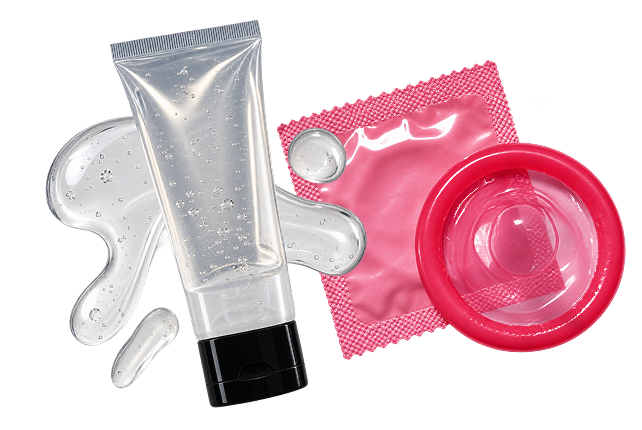
And don't underestimate lube.
Lube can reduce friction, irritation, and small tears in delicate tissue.
If you're using a latex condom, glove, or dental dam, water- or silicone-based lube is generally compatible, while oils can weaken latex and make it more likely to break. Water-based lube is generally the safer choice with silicone toys because some silicone lubes can damage their surfaces.
And, as we put it in the guide:
There is no prize for making a tiny amount of lube last.
If things feel dry or uncomfortable, use more.
SHARING TOYS? SWITCHING BODY PARTS? CHANGE IT UP.
Sex toys can carry fluids between people and different parts of the body.
If you're sharing a toy, you can put a condom on it and change the condom between people, or clean the toy according to its instructions before it touches someone else.
The same principle matters when moving a toy, finger, penis, or other body part from the anus to the vagina.
Change the barrier or wash first.
That helps reduce the chance of moving bacteria somewhere it may cause an infection.
A few more things worth remembering:
Don't use two condoms at once. Added friction can make them more likely to break.
Change condoms, gloves, and other barriers between partners and body parts.
Check barriers for damage and expiration dates before using them.
If a barrier breaks, don't panic. Testing, emergency contraception, HIV PEP, doxy-PEP, or other options may be available depending on what happened.
GET TESTED WHERE YOU HAVE SEX
Here's something many people never learn in sex ed:
An STI test isn't always one test.
Some infections can live in the throat, genitals, or rectum without causing symptoms.
That means a urine test, for example, may not tell you what's happening in your throat or rectum.
Depending on your body and the sex you're having, STI testing might include:
URINE / BLOOD / THROAT SWAB / GENITAL SWAB / RECTAL SWAB
You don't need to give your healthcare provider a play-by-play.
They need enough information to understand where exposure may have happened and where testing makes sense.
And don't wait for symptoms to decide testing matters.
Many STIs cause no symptoms at all. When symptoms do occur, they can include unusual discharge, sores or bumps, itching, burning when you pee, bleeding, pelvic or testicular pain, pain during sex, rectal discomfort, or a sore throat.
Want to go deeper?
Our STI resource breaks down testing, symptoms, prevention, barrier methods, treatment, and common infections in more detail.
[A Queer and Trans Guide to STI Testing, Prevention, and Treatment]

AFTER A POSSIBLE EXPOSURE, TIME CAN MATTER
If a condom breaks or you think you may have been exposed to an STI, there may be things you can do afterward.
HIV PEP
HIV PEP can help prevent HIV following a possible exposure when started within 72 hours. The sooner it is started, the better.
Doxy-PEP
For people for whom it is appropriate, doxy-PEP can lower the chance of acquiring some bacterial STIs when taken within 72 hours after sex.
If you think either may apply to you, reach out to a clinic promptly. A provider can help determine what testing, treatment, or prevention makes sense.
72 HOURS MATTERS.
If you're worried about a recent exposure, reach out as soon as you can.
BIRTH CONTROL WITHOUT THE BINARY
Birth control isn't women's healthcare.
It's healthcare for people who can become pregnant and want to prevent pregnancy.
Different people want different things from contraception.
Maybe you want something you don't have to think about every day. Maybe you want to avoid estrogen. Maybe you'd like your period to become lighter or stop. Maybe you want something you can start and stop yourself.
Birth control options can include:
the pill
patch
vaginal ring
shot
implant
hormonal IUD
copper IUD
external and internal condoms
Most birth control methods prevent pregnancy but don't protect against STIs. External and internal condoms can help with both, and barriers can also be used alongside another birth control method.
And if you're taking testosterone:
Testosterone is not birth control.
Periods becoming irregular or stopping does not necessarily mean pregnancy is impossible.
Birth control can also be used alongside gender-affirming hormone care.
LINK [Learn more about birth control without the binary]
future SEO article.

THE CONDOM BROKE. YOU MISSED YOUR BIRTH CONTROL. NOW WHAT?
If there's a chance of pregnancy and you don't want to be pregnant, emergency contraception may be an option.
And one important distinction:
Emergency contraception is not abortion.
Emergency contraception works by preventing pregnancy before it starts. It does not end an existing pregnancy.
Options covered in Borderland Bodies include:
Plan B + generic levonorgestrel
Works best when taken within 3 days (72 hours) after sex but may still help within 5 days. These medications may be less effective at higher body weights.
ella
A prescription emergency contraception pill that can be taken within 5 days (120 hours).
Certain IUDs
Certain IUDs can be inserted within 5 days after sex and are the most effective form of emergency contraception. They can then continue working as ongoing birth control.
If you're unsure which option fits your situation, contact a healthcare provider or pharmacist. The sooner you ask, the more options you may have.
PREGNANT. WHAT NOW?
A positive pregnancy test can bring up a lot.
You may know exactly what you want. You may have no idea. You may feel relieved, scared, excited, angry, numb, conflicted, or several things at once.
You deserve accurate information without being pushed toward someone else's decision.
Depending on what you want, your options may include:
Continuing the pregnancy and parenting
Continuing the pregnancy and making an adoption plan
Ending the pregnancy through abortion
There isn't one correct emotional response and there isn't one correct decision.
Your decision belongs to you.
[Pregnancy + Abortion Resources]

PAIN IS INFORMATION
Pain, itching, burning, unusual discharge, bleeding, or a new smell can happen for many reasons.
An STI is one possibility.
So are changes in bacteria, yeast, hormones, irritation, medication, surgery, and other conditions.
For example, bacterial vaginosis (BV) and yeast infections are common and treatable, but their symptoms can overlap with other conditions. Getting checked can help you understand what you're actually treating instead of having to guess.
And pain during sex isn't something you automatically have to accept.
If something has changed in your body, that's information worth paying attention to.
GENITAL ATROPHY
Lower estrogen can change vaginal and genital tissue, making it thinner, drier, less elastic, and easier to irritate.
This can happen while taking testosterone or as estrogen levels naturally decrease during perimenopause and menopause.
Atrophy can cause dryness, itching, burning, pain with sex or penetration, spotting or bleeding, and urinary changes. Not everyone experiences it, and symptoms can vary.
It’s common. And it’s treatable.
LOCAL ESTROGEN CAN HELP
Low-dose estrogen applied directly to the affected tissue can help with dryness, irritation, and pain. It comes in forms like creams, tablets, and rings.
On T? Local estrogen can generally be used without stopping testosterone. Talk with a provider about what option might work for your body.
OTHER THINGS THAT CAN HELP
Lube can reduce friction during sex. Vaginal moisturizers can help with ongoing dryness and irritation.
Pain, bleeding, burning, or urinary changes aren’t always caused by atrophy. If symptoms are new, persistent, or getting worse, check in with a healthcare provider.
KINK, BDSM + YOUR BODY
Kink is part of many people's sexual lives, and sexual health information shouldn't pretend otherwise.
Communication, consent, planning, body awareness, and aftercare can all be part of safer kink.
Different activities carry different considerations. Knowing your body, talking about boundaries, having a way to stop, checking in with partners, and knowing when an injury needs medical attention are all forms of caring for yourself and each other.
And healthcare providers should be able to talk with you about your sexual health without treating consensual kink as something inherently wrong or shameful.
[READ THE FULL KINK + BDSM SECTION IN BORDERLAND BODIES]

BODIES CHANGE AFTER SURGERY, TOO
Healing takes time.
Depending on the surgery, swelling, sensitivity, numbness, scar tissue, changes in sensation, and changes in what feels comfortable can all be part of recovery.
Follow the instructions from your surgical team about wound care, activity, penetration, dilation, lifting, bathing, and when it is safe to resume sexual activity.
And when you're ready to reconnect with your body sexually, you get to go at your own pace.
Healing isn't a race.
YOUR CARE SHOULD FIT YOUR BODY
Good healthcare shouldn't require you to become an expert before walking into the room.
You shouldn't have to know exactly which test you need.
You shouldn't have to know the perfect medical term.
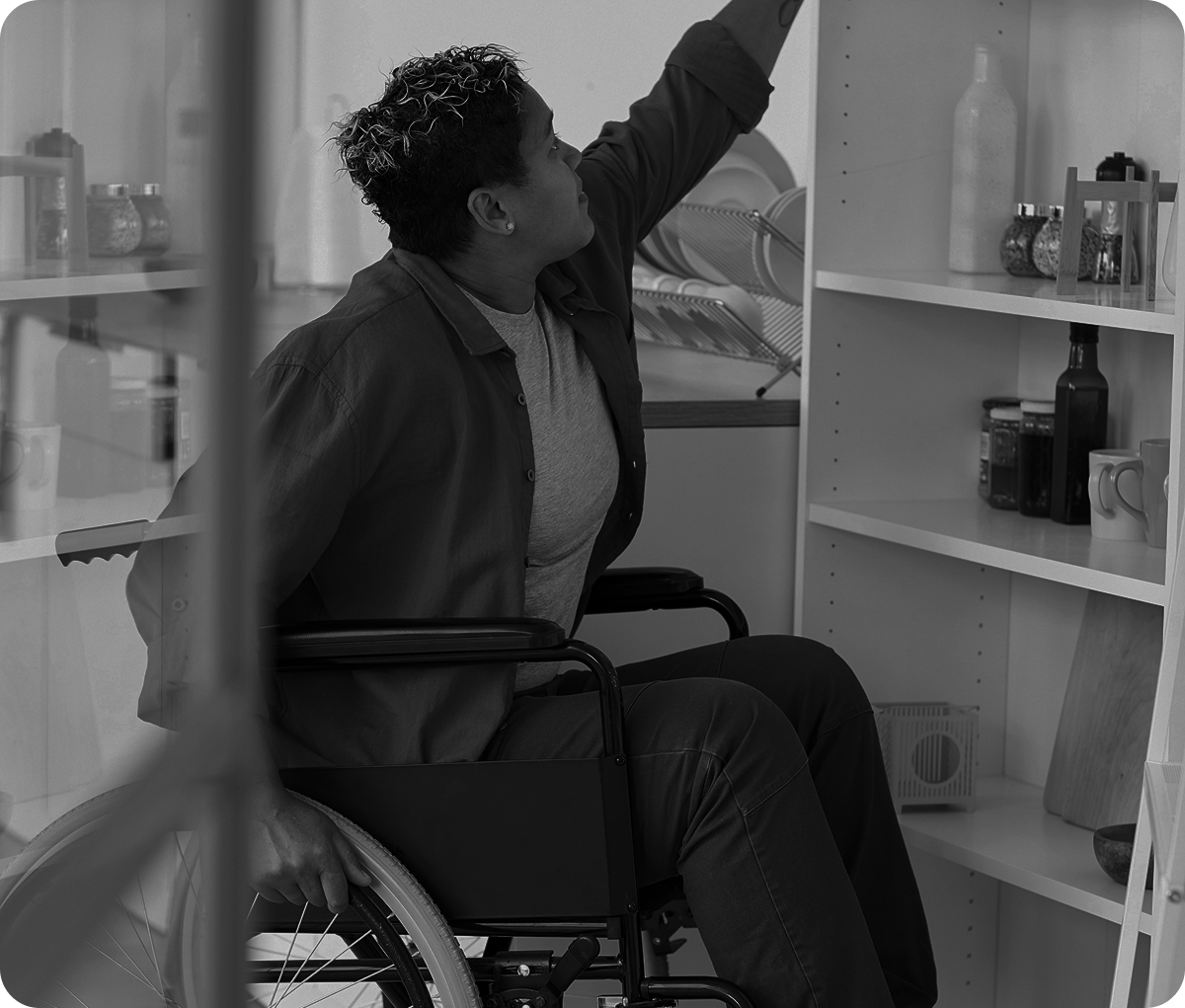
And you shouldn't have to defend your gender, sexuality, relationships, disability, body, or sexual practices before someone will listen to you.
At Lyon-Martin, we believe care should start with what's happening, what you're worried about, what you want, and what you need help figuring out.
We'll start there.
WHEN TO GET HELP
Bodies change, and not every new symptom means something is seriously wrong.
But it is worth making an appointment for new or persistent genital itching, sores, bumps, discharge or odor; burning when you pee; pain during sex; pelvic, genital, rectal, or testicular pain; unusual bleeding; or changes following hormones, medications, or surgery that concern you.
Seek urgent medical care for symptoms such as severe or rapidly worsening pelvic or abdominal pain, heavy bleeding accompanied by dizziness or fainting, severe pain or bleeding during a known or possible pregnancy, high fever with pelvic or abdominal pain, or worsening pain, swelling, bleeding, drainage, or fever after surgery.
If you don't know how serious something is, that's okay.
Tell a healthcare provider what changed, when it started, and whether it's getting better or worse.
That's enough to start the conversation.

READ BORDERLAND BODIES
Maybe you came here because you had a question.
Maybe you found an answer.
Maybe you found three more questions.
Bring them to us.
Lyon-Martin Community Health Services provides healthcare for trans, nonbinary, gender-expansive and intersex people, and cisgender women, with particular care for people who have been pushed to the margins of traditional healthcare.
Our services include:
primary and specialty care
sexual and reproductive healthcare
STI testing and treatment
gender-affirming care
gynecological care
mental health and case management
care coordination
outreach and harm reduction
You don't need to have the right medical words.
You don't need to know which service to ask for.
Tell us what's going on. We'll start there.
[READ THE FULL BORDERLAND BODIES GUIDE]
[MAKE AN APPOINTMENT]
Lyon-Martin Community Health Services
1735 Mission Street, San Francisco
(415) 565-7667
KEEP THIS. PASS IT ON.
If something here helped you, share it with someone who might need it next.
Good health information shouldn't be difficult to find, hidden behind a paywall, or written only for people whose bodies fit neatly into a box.
This information belongs in our hands.
SOURCES
CDC STI Information: https://www.cdc.gov/sti/
American Sexual Health Association: https://www.ashasexualhealth.org/
Lyon-Martin patient education materials and clinical resources.