
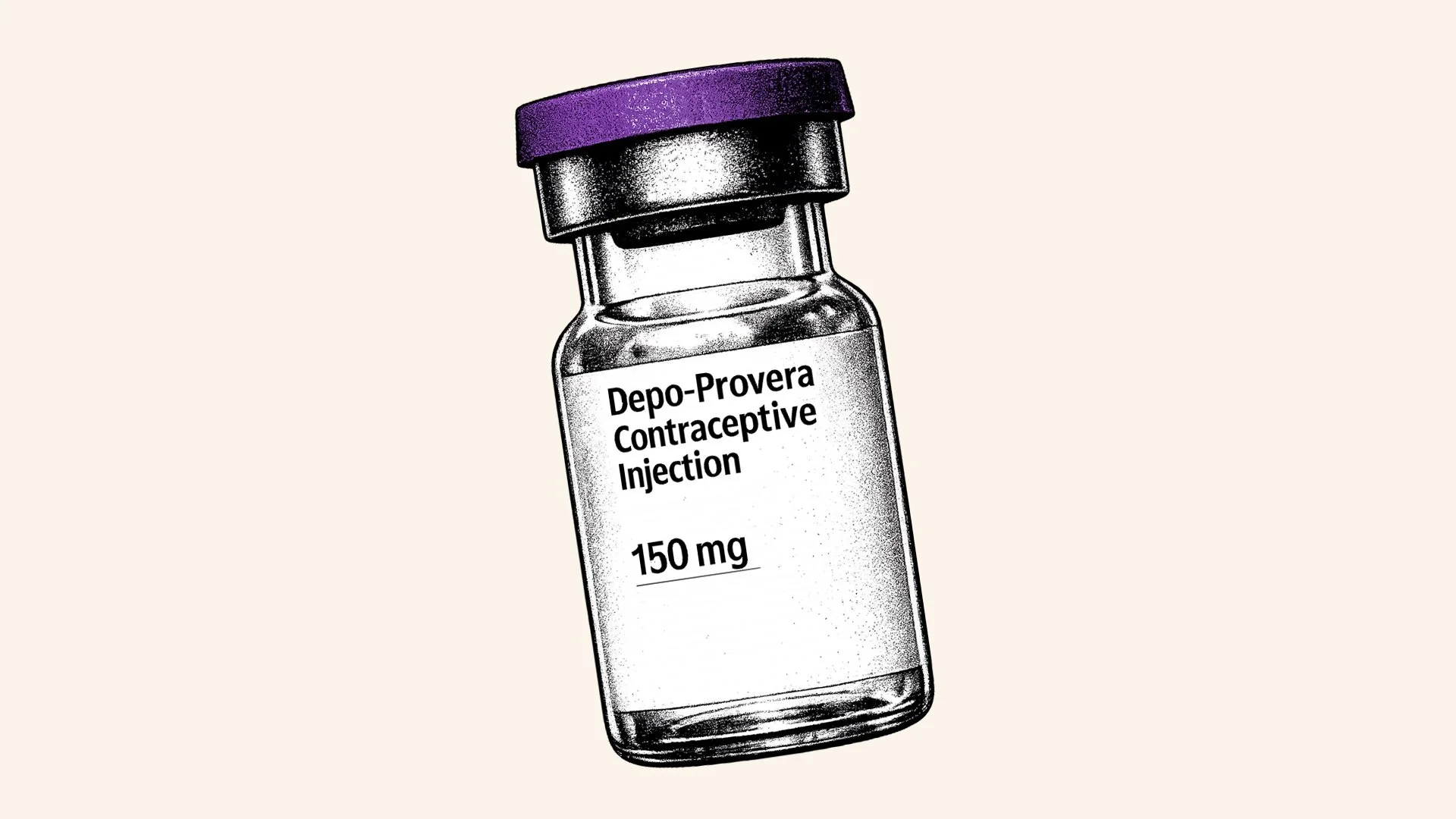
Depo-Provera: What to Know About the Birth Control Shot
At Lyon-Martin Community Health Services, we are committed to providing accurate, affirming health information for all bodies.
For clarity and accessibility, we use medical terms without gender reference to describe body parts in our educational materials. We also recognize and celebrate that people use a wide range of language for their bodies, and we always welcome feedback about how this information is shared.
This guide explains what Depo-Provera is, how it works, how to use it, and what to know about side effects and risks.
What Is Depo-Provera?
Depo-Provera is an injection of the hormone progestin that is given every three months (every 12 weeks).
Depo-Provera can be used for:
Birth control
Treating painful or heavy menstruation
Stopping periods
Managing symptoms related to ovulation, such as hormone imbalances or mood changes
Depo-Provera works by:
Stopping ovulation
Thickening cervical mucus
Thinning the uterine lining
No birth control method is 100% effective. With perfect use (never missing or being late for a shot), Depo-Provera is 99% effective. With typical use, it is 96% effective.
Does Depo-Provera Protect Against STIs?
No. Depo-Provera does not prevent sexually transmitted infections (STIs).
To reduce the risk of STIs, use barrier methods such as:
Condoms
Dental dams
Gloves
Cleaning sex toys between use
How Do I Use Depo-Provera?
Depo-Provera is given as a shot every 3 months (12 weeks).
If a Depo-Provera shot is given late:
You may not be protected from pregnancy
You may be more likely to experience bothersome bleeding
If your first shot is given within 7 days of your last period, you are protected from pregnancy right away.
If it has been more than 7 days since your last period, you can still receive the shot, but you will need to use a backup birth control method for 7 days.
Bleeding Changes:
After using Depo-Provera for one year:
About half of people will have no bleeding
The other half may experience irregular spotting or light bleeding
If you have heavy or bothersome bleeding, talk with your clinician about ways to manage or stop it.
What Are the Side Effects of Depo-Provera?
Some people using Depo-Provera may experience:
A slower return to fertility compared to other birth control methods
This means it may take longer to become pregnant after stopping Depo-Provera
Headaches
Side effects vary from person to person. If you have concerns, your clinician can help you weigh options and make adjustments.
Does Depo-Provera Have Risks?
Depo-Provera is considered very safe. Serious complications, such as blood clots or heart disease, are rare.
However, Depo-Provera may not be safe for everyone. It may not be recommended if you have a history of certain medical conditions, including:
Blood clots
High blood pressure
Heart attack or stroke
Diabetes
When to Seek Medical Care
Contact your provider or go to the nearest emergency room if you experience:
Swelling, redness, or severe pain in one leg
Weakness or numbness on one side of the body
Blurred or double vision
Severe, unexplained chest pain
A sudden, severe headache
Choosing What’s Right for You
Birth control and hormonal care are not one-size-fits-all. Your needs, goals, and experiences matter.
At Lyon-Martin, we provide care that is:
Trauma-informed
Gender-affirming
Centered on self-determination and bodily autonomy
If you’re interested in Depo-Provera or want to explore other options, our care team is here to support you.
Frequently Asked Questions About Depo-Provera
Is Depo-Provera the same as the birth control shot?
Yes. Depo-Provera is commonly referred to as “the birth control shot.” It is an injection of the hormone progestin that is given every three months.
How effective is Depo-Provera?
With perfect use, meaning shots are received on time every 12 weeks, Depo-Provera is 99% effective at preventing pregnancy. With typical use, it is about 96% effective.
Can Depo-Provera stop periods?
Yes. After one year of use, about half of people using Depo-Provera stop having bleeding. Others may have irregular spotting or light bleeding.
Does Depo-Provera protect against sexually transmitted infections?
No. Depo-Provera does not protect against sexually transmitted infections (STIs). Using barrier methods like condoms or dental dams can help reduce STI risk.
What happens if my Depo-Provera shot is late?
If a Depo-Provera shot is given late, you may not be protected from pregnancy and may be more likely to experience bothersome bleeding. A backup birth control method may be needed.
How long does it take to get pregnant after stopping Depo-Provera?
Some people experience a slower return to fertility after stopping Depo-Provera compared to other birth control methods. This means it may take longer to become pregnant.
Can Depo-Provera be used for reasons other than birth control?
Yes. Depo-Provera can also be used to manage heavy or painful menstruation, stop periods, and help with symptoms related to ovulation.
Is Depo-Provera safe?
Depo-Provera is considered very safe for most people. Serious complications are rare, but it may not be recommended for people with certain medical conditions. A clinician can help determine if it’s right for you.
Want to Talk With a Clinician?
Choosing birth control or hormonal care is a personal decision, and you don’t have to figure it out alone.
At Lyon-Martin Community Health Services, our care is trauma-informed, gender-affirming, and centered on self-determination. We’ll listen to your goals, answer your questions, and support you in choosing what feels right for your body.
You do not need insurance to receive care.
Undocumented patients are welcome.
👉 Schedule an appointment
👉 Learn more about Sexual & Reproductive Health services